Building DROdio.com, live
You'll see the messy reality of building live: the typos, the 'wait, why isn't this working?' moments, and how to recover when things go sideways — which is exactly what happens when you're coding solo.
Practical writing, videos, lessons, and shipped work from Daniel R. Odio, selected for Product Manager.
227 items
You'll see the messy reality of building live: the typos, the 'wait, why isn't this working?' moments, and how to recover when things go sideways — which is exactly what happens when you're coding solo.
You've probably skipped writing PRDs and jumped straight to prompting — this shows you why that's been causing your builds to go sideways, and introduces Chief, a tool that structures your vibe coding so you stop getting stuck mid-project.
You're probably spinning up parallel agents to go faster, but today's collisions — duplicate work and a repo-blocking 170MB file — show exactly how that speed becomes a coordination nightmare you have to untangle.
You've been eyeing Pinecone because 'vector search' sounds like the move, but you're about to waste money and add complexity for a problem you haven't actually measured. This stops you before you paint yourself into that corner.

You've probably hit that wall where your AI solution worked perfectly in testing but failed mysteriously in production—that's jagged intelligence biting you. This breaks down the four zones where AI is superhuman versus subhuman, so you can stop getting blindsided by its weird failure modes.

You've dabbled in quantum computing concepts and thrown around words like 'superposition,' but you've never connected them to why consciousness feels so slippery to pin down. This article walks you through the actual measurement problem physicists still can't solve and shows you how your brain might be doing quantum-to-classical translation—a mental model that'll change how you think about both AI and your own awareness.

You've shipped AI features that users love, but this article exposes the blind spot in your engagement metrics: you might be building digital cotton candy that feels like care but atrophies the human skills your users actually need. It's the mistake you won't catch in your analytics.
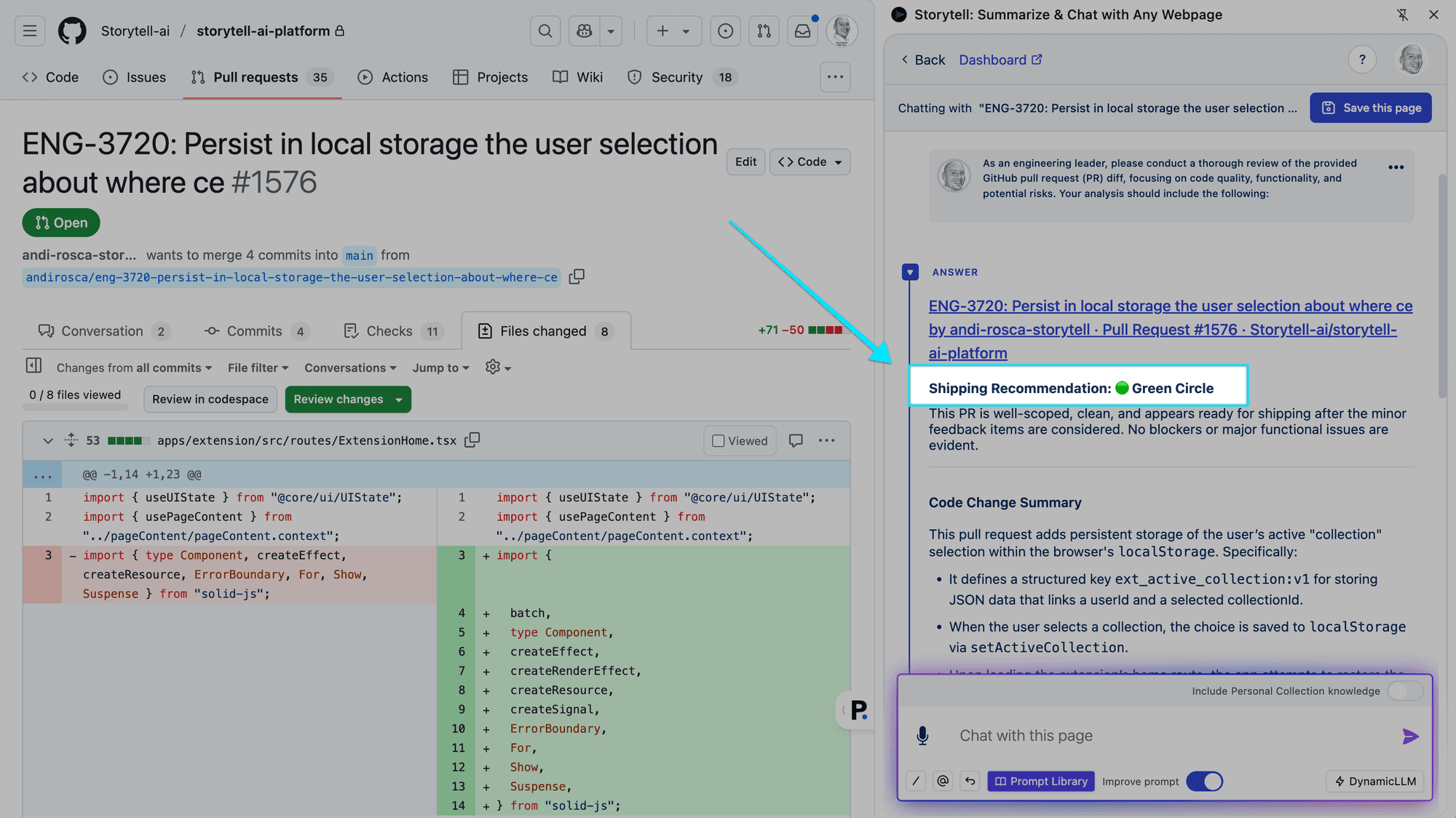
You're probably approving PRs you don't fully understand or avoiding them entirely out of fear—here's how to use AI as a safety net that catches issues you'd miss while keeping your team unblocked.
You've shipped a few AI-generated features but keep hitting walls you can't debug your way out of. This breaks down why that whack-a-mole feeling is universal right now and what's coming next that will either save you or bury you if you don't adapt.

You're probably prototyping in Figma and calling it 'technical enough' — this shows you how to skip straight to functional code you can hand to engineers as a pull request. You'll learn why ping-ponging between Cursor and Windsurf gets you unstuck faster than grinding alone in one tool.

You're probably blowing deadlines because you're promising 'operating' timelines for work that's actually inventing — and you can't see the difference until it's too late. This breaks down the two modes so you stop under-promising and over-delivering on the wrong things.
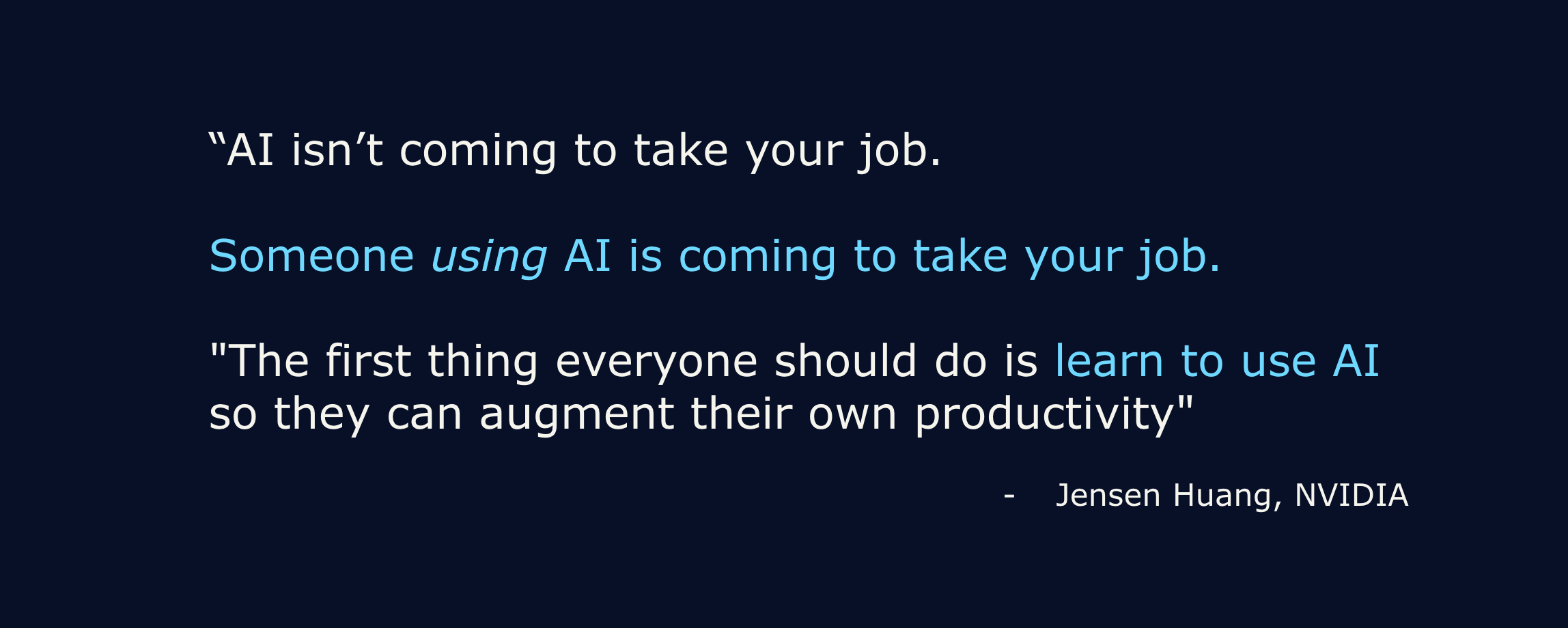
You've dabbled with ChatGPT but haven't built it into your actual workflow, and now you're wondering if you're behind. This lays out a concrete self-assessment for executives: how AI-curious you need to be to stay competitive, and why 'productivity creates prosperity' means the real risk isn't AI taking your job — it's someone else using AI better than you.

You'll discover why your instinct to 'build it right the first time' keeps getting you stuck — this CEO prototypes a van kitchen in cardboard, learns what he got wrong from actual use, and iterates twice before committing to wood. It's the recovery strategy you're missing when your code goes sideways.
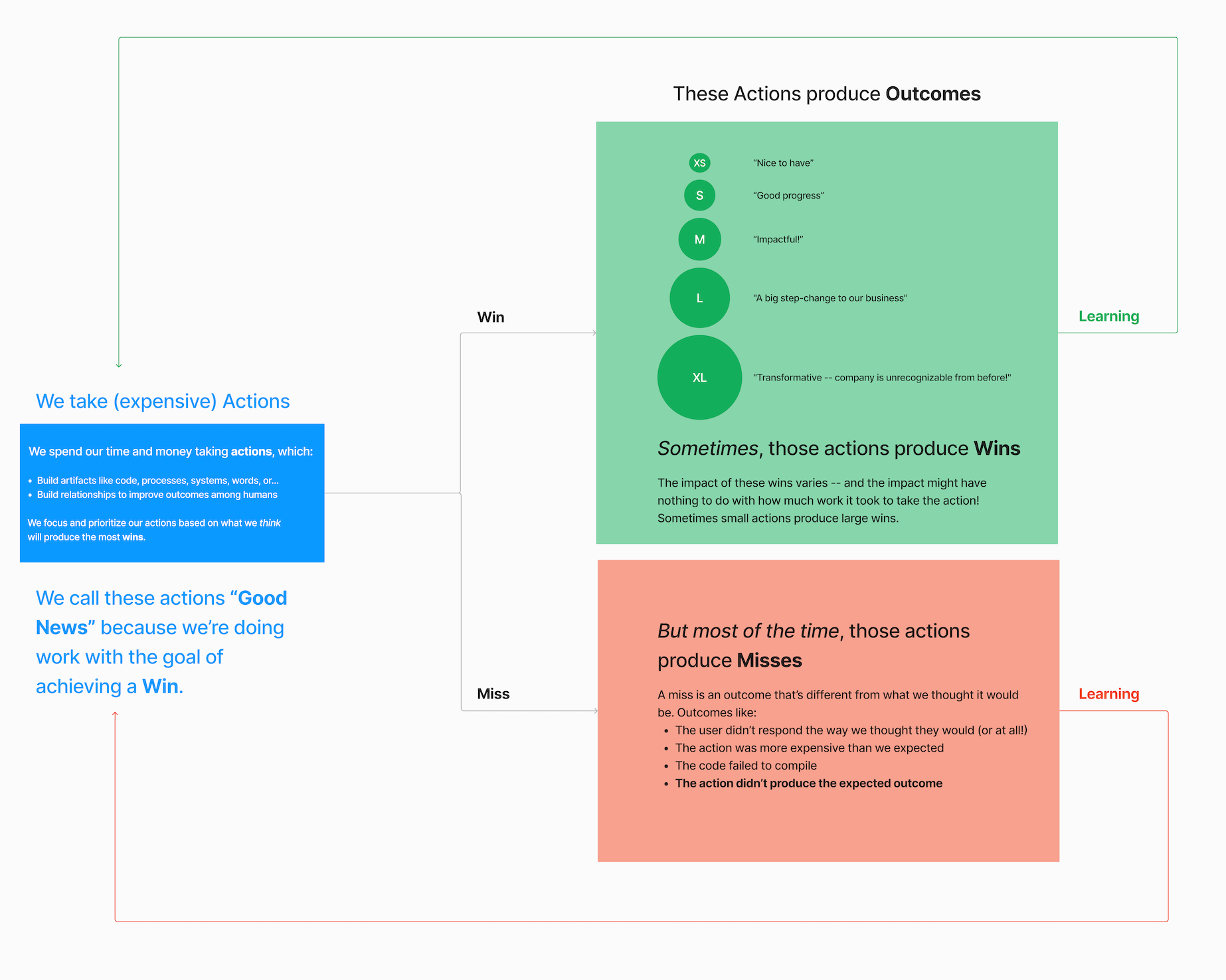
You're probably confusing activity with impact and calling every shipped feature a 'win'—this framework shows you how to measure what actually matters and learn from the 90% of attempts that don't work out.
You've probably started free trials you never finished and ignored 'free tier' emails because the product was crippled — here's why both models fail when companies half-ass them, and what a usage-based trial would actually look like.

You've probably tried automating reviews before and ended up with generic slop that guests ignore—this shows you how to use context from the actual Airbnb page plus a pre-stay survey to generate drafts so specific (mentioning Brex, AWS, backyard docks) that guests actually post them verbatim. The trick is the Chrome extension reading page content, not just prompting into the void.

You've probably set goals that felt inspiring but didn't translate into daily decisions. This breaks down how Storytell uses Vision/Mission/Strategy to align every choice — and introduces the North Star Metric that tells you if you're actually making progress or just spinning your wheels.

You're probably building too much before validating—this shows you how to catch failed ideas earlier by shipping prototypes instead of code, then actually measuring user reactions instead of guessing. It's the feedback loop you keep skipping that leaves you stuck rebuilding.

You've probably been moving fast and breaking things—literally breaking them—because you confuse speed with recklessness. DROdio's #velocity philosophy is about building the right thing fast, and this post is your entry point to his frameworks on decision-making, time management, and avoiding the mistakes that slow you down when you think you're speeding up.
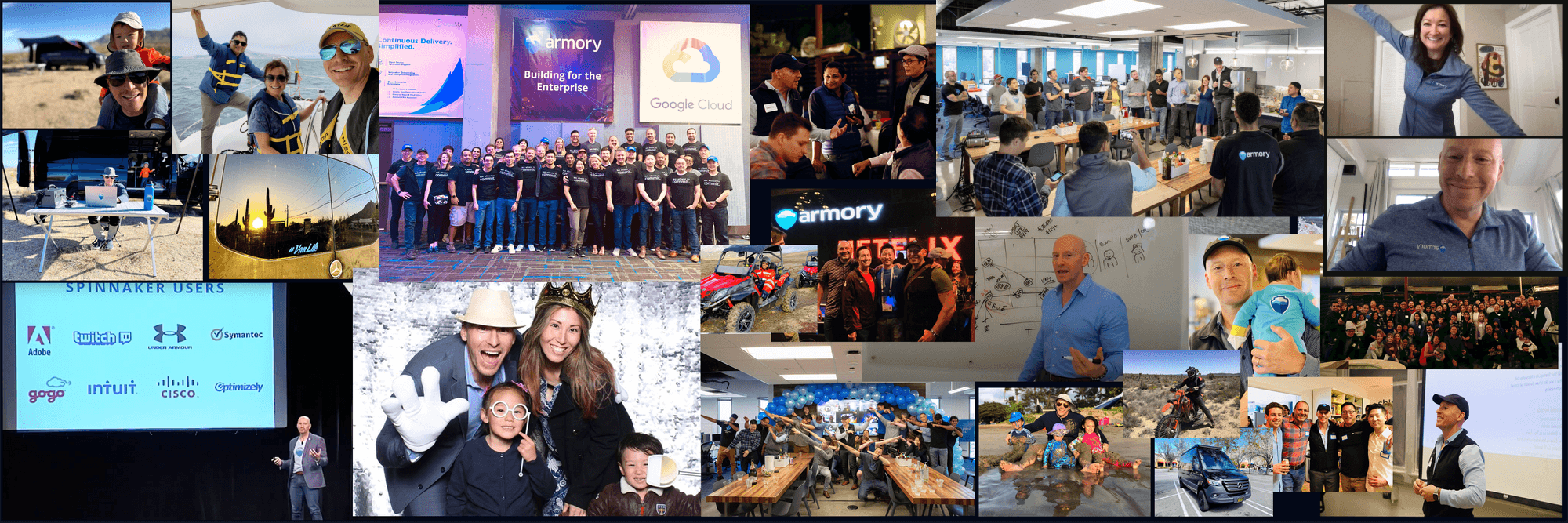
You think you can do it all yourself, but this shows why that's a trap: DROdio built Armory from his garage to serving JPMorgan Chase, then deliberately hired a CEO with scaling experience he didn't have. The move from founder-CEO to Chairman isn't failure — it's how you avoid becoming your company's bottleneck.

You think you're ready to apply to YC, but this breaks down the exact growth metrics (5-6% weekly) and investor-management systems that separate founders who raise millions from those who flame out—plus the mindset traps that kill most applications before they start.

You've hired for diversity and checked that box, but if your team still feels like some people are just observing while others drive decisions, you're missing the inclusion piece — and leaving product insights on the table. This explains the 'accomplice vs ally' shift that turns diversity from a metric into actual competitive advantage.

You've heard 'data is the new oil' a thousand times, but this breaks down the actual reinforcing cycle: better product → more data → better models → better product. You'll see why your half-finished dashboards aren't enough—you need the DevOps chops to act on data fast, or you're just hoarding spreadsheets.
You've probably copy-pasted open source code without thinking about the business model behind it—this breaks down why companies like Docker collapsed while others captured $7B exits, so you understand the trade-offs when you're deciding what to open source in your own projects.

You've probably shipped something fast only to have it reversed by an exec who 'had a feeling'—this breaks down why that HiPPO problem happens and introduces a framework (Roundabouts, not Stoplights) that lets you move quickly without getting overruled. Learn how to structure authority so your builds don't get killed by opinion.

You've probably felt the friction of command-and-control structures but assumed it's just how big companies work. This engineer's story shows you the hidden cost: people who could be shipping innovation instead do the minimum and job-hunt. If you're stuck between 'move fast' mandates and rigid approval chains, this explains why you can't have both.

You've probably hit walls trying to move fast in a corporate environment. This breaks down exactly why your 'just ship it' instinct crashes into organizational antibodies, and gives you the risk-management language to actually get experimental work greenlit.

You've hit that wall where your experiments break things and you panic-revert, right? This shows you why that stoplight mentality—where you freeze at every risk—is what's actually holding you back, and introduces the "roundabout culture" framework that lets you keep moving while managing failures instead of avoiding them.

You've probably never thought about deployment pipelines as world-changing infrastructure, but this piece connects the dots from "my feature is stuck in staging" to "humanity's quality of life is accelerating." It reframes the technical problems you're wrestling with as part of something orders of magnitude bigger.

You're stuck because you assume you need to solve problems from scratch, but this simple puzzle shows why that's costing you hours. The fastest builders don't reinvent wheels — they search, adapt, and ship while you're still doing mental math.

You keep hitting walls because you take 'no' as final and quit when you think you're out of time. DROdio reveals how reframing rejection as 'a request for more information' and always trying one more thing has unlocked his biggest wins.

You've heard 'software eats the world' but here's a concrete example: Peloton charges 4x for hardware by nailing the software experience, and DROdio breaks down exactly why that premium sticks. If you're building anything, this is the playbook for how software creates defensible value.
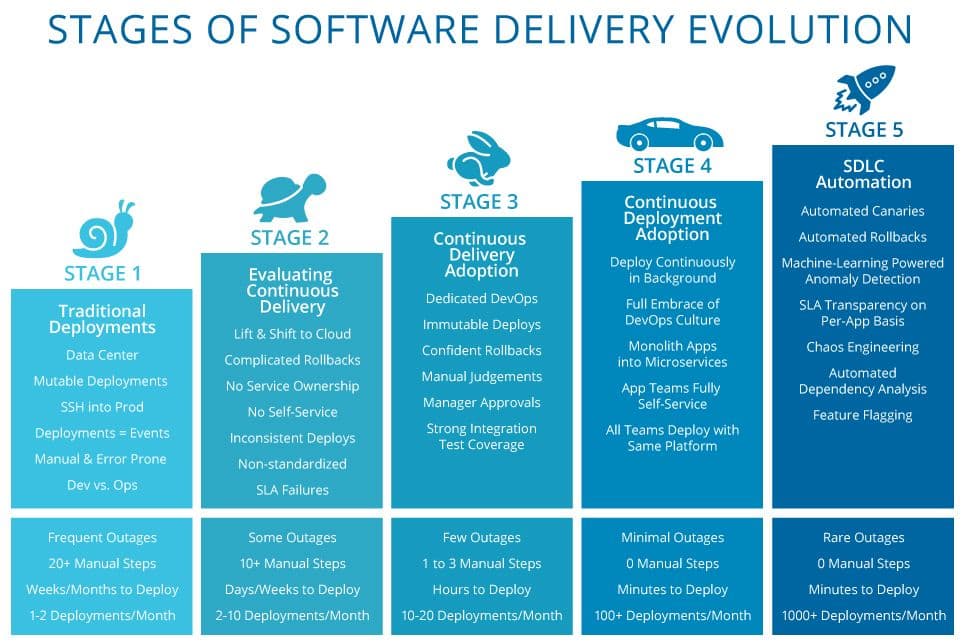
You'll recognize exactly which stage your company is stuck in — probably Stage 2 or 3, where you're 'evaluating' Kubernetes but deployments still feel like walking a tightrope — and see what the path forward actually looks like when you stop half-stepping. This breaks down why your deploys are still scary and what changes when you finally commit to immutable infrastructure and real DevOps culture.
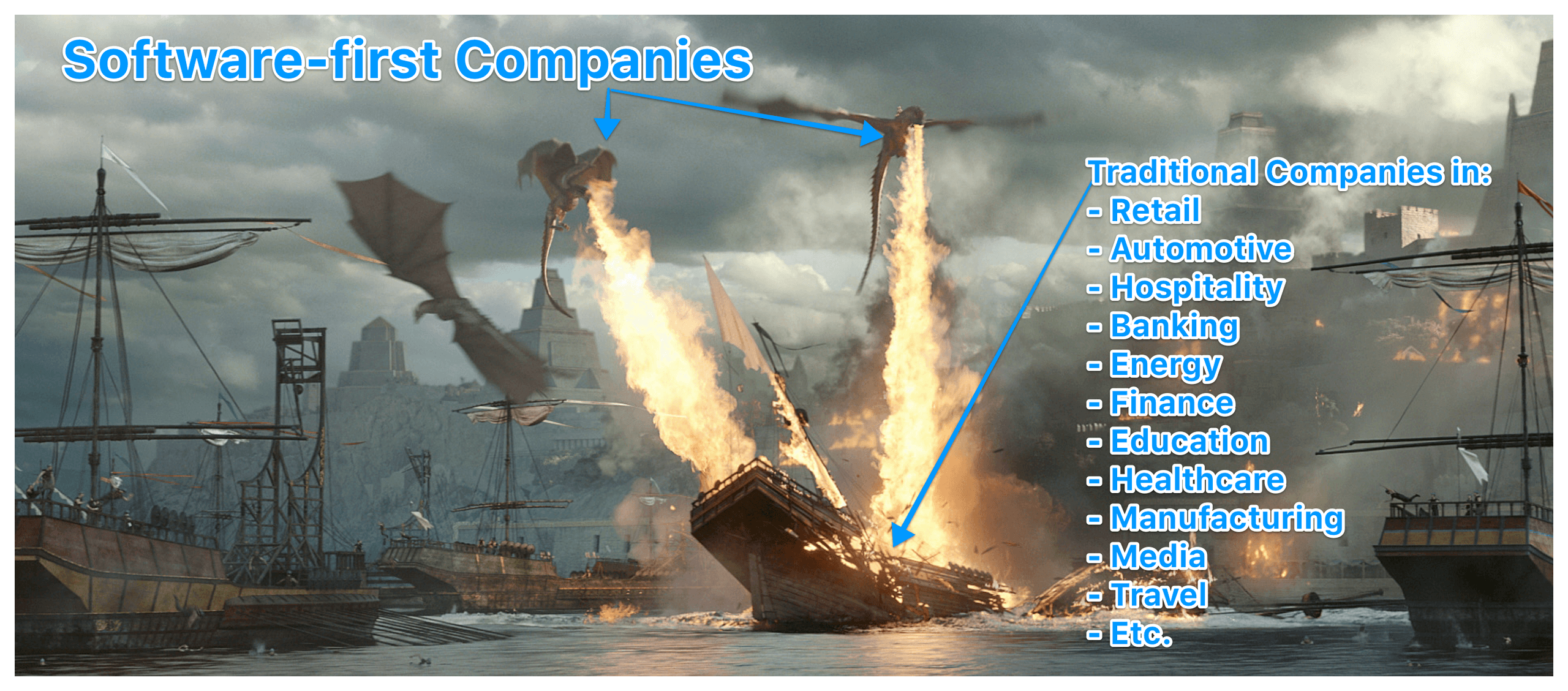
You're building features, but this shows why that's not enough—Amazon uses software to subsidize entire industries and strangle competitors who can't. You'll understand the difference between 'having software' and 'being a software company,' which is probably the gap between your current projects and actual leverage.

You'll find out why the CEO who sold a company to Harness for $83M still thinks you need frameworks for decisions, feedback, and time management — because winging it works until it doesn't. His FounderCulture content tackles the exact blindspots (like mistaking consensus for speed) that trip up builders who think they've got it figured out.

You think you already know what your users need, but this tactical playbook—gift cards at Starbucks, 10 interviews an hour—forces you to confront whether your assumptions actually hold up when real people touch your prototype. The basketball analogy nails why founders fixate on the wrong solutions when they skip this step.

You think digital transformation means adding an app or a website, but this breaks down why Kodak—who literally invented the digital camera—still went bankrupt. Amazon's Whole Foods play shows how software-first companies use one business to fund scorched-earth dominance in another, and your half-baked digital initiatives won't save you from that.

You think you know what customers want because you've lived the pain yourself—but DROdio's team was dead wrong about their core value prop until 100 conversations revealed the real problem. This shows you exactly how to structure customer discovery so you don't build the wrong thing for six months.
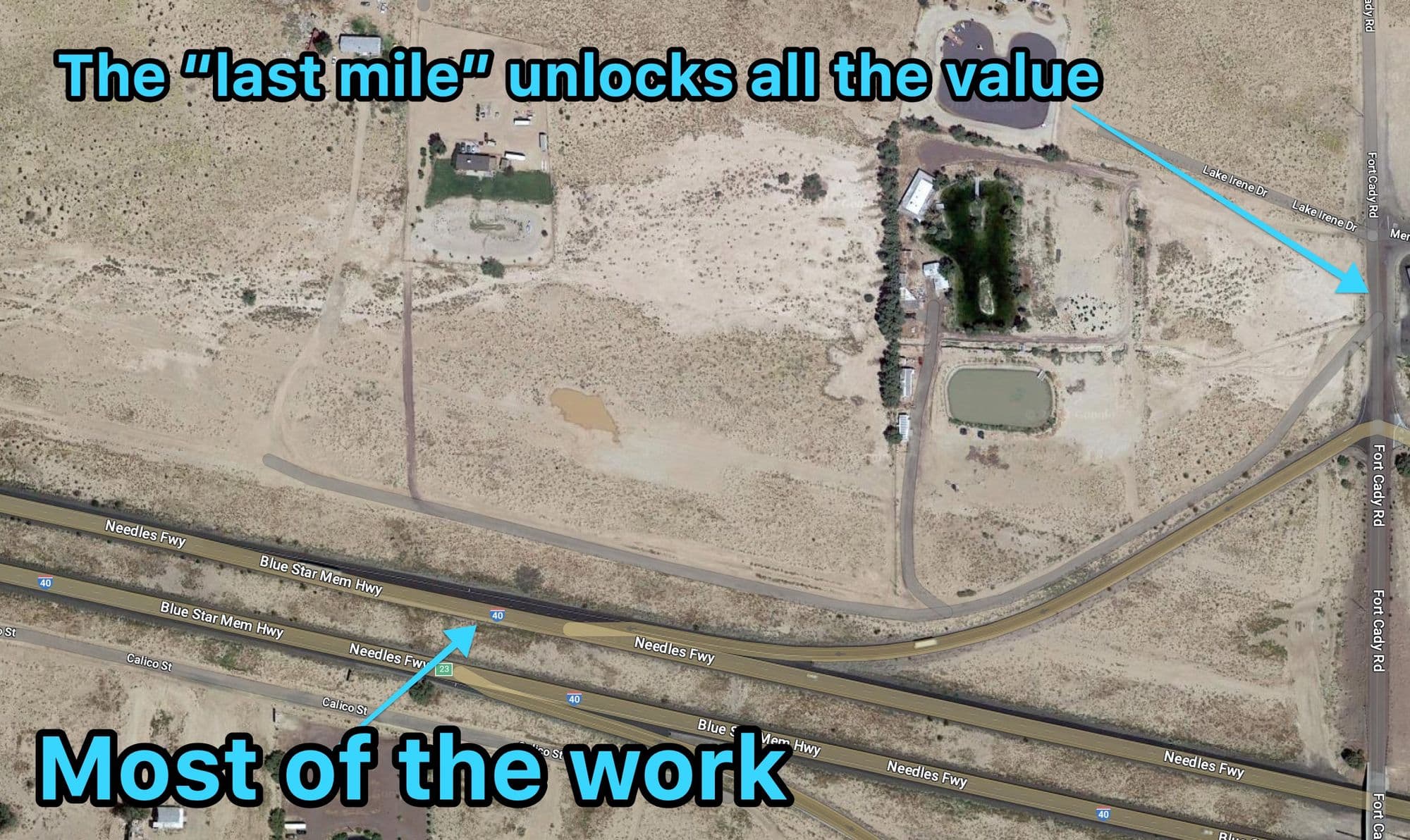
You've built the thing, but you're stuck waiting for someone else to act or for the 'right moment' to finalize it — and that's why your projects stall out. This shows you how to stop waiting and instead do the one tiny action right now that forces the value to unlock, like pre-signing contracts or booking the meeting instead of saying 'we should meet soon.'

You think you're good at setting ambitious goals, but Elon reveals how he works backwards from 'the headline' to prioritized actions — a framework that might expose why your roadmaps keep falling apart. You'll also catch his shifting timelines on self-driving cars as proof that even experts recalibrate constantly when reality punches back.

You think you can ship fast, but this designer conceived an entire temple in 10 seconds and mobilized a team to build it in weeks. You'll see how real creators move from vision to execution without getting stuck in analysis paralysis — a lesson that applies whether you're building art or software.

You're probably keeping too many half-dead experiments alive right now, thinking you're being strategic. This breaks down exactly why that mitigation instinct — watering all the trees just enough — guarantees none of them survive, and how elimination is the only path to traction.

You're probably adding features to fix problems when you should be perfecting the core experience — this breaks down why Slack beat crowded competition by *removing* distractions, not adding them. The trap you're falling into is scope creep; this shows you how ruthless focus on 'less, better' creates the product/market fit that makes users overlook what's missing.

You're probably overthinking your roadmap when you should be obsessing over whether anyone actually uses what you built. Zuck had zero plans for world domination in 2005, just undeniable product/market fit — and that's what carried Facebook from 'college directory' to empire.

You think pivoting means you failed, but WhatsApp started as a status app nobody wanted and spent three years in the wilderness before becoming the fastest-growing platform ever. This shows you exactly how long real iteration takes and why giving up at year two is the classic mistake.

You think you're prioritizing well, but you're probably building half-baked features that seemed urgent at the time. Pandora's system shows you how to kill your darlings before they waste weeks of your runway.

You've probably picked a tech stack based on a hot take or a Medium post, but this retrospective reveals which mobile architecture decisions aged well and which didn't — saving you from betting on the wrong horse when you're already halfway through your build.

You think you understand the quantified-self movement, but this piece shows you the broader context you're missing: why step-counting devices are just the tip of an iceberg that's about to reshape how you think about data in your own products.

You've read a thousand startup blog posts that all say the same thing, and you're still making avoidable mistakes with your board, your team, and your storytelling. First Round's Review breaks the mold with long-form, well-produced content that covers the specific situations where you're most likely to screw up — like firing someone or running a board meeting that doesn't waste everyone's time.

You've probably tried to build dynamic pricing features and hit walls around customer backlash or implementation complexity. This breaks down why hedging — not just surge pricing — is the loyalty unlock you've been missing, with a real-world angle you can actually code.

You're probably shipping too fast and fixing later — Spotify does the opposite, prototyping relentlessly before writing real code, which saves them from the costly rewrites you keep getting stuck in. Their four-stage process shows you exactly when to stop tweaking and when to ship.

You're probably betting on Android because 'everyone uses it,' but this report reveals why 60% of app developers earn under $500/month and how iOS's smaller user base generates 10x the revenue. Understanding these economics now will save you from building on the wrong platform and wondering why nobody's paying.
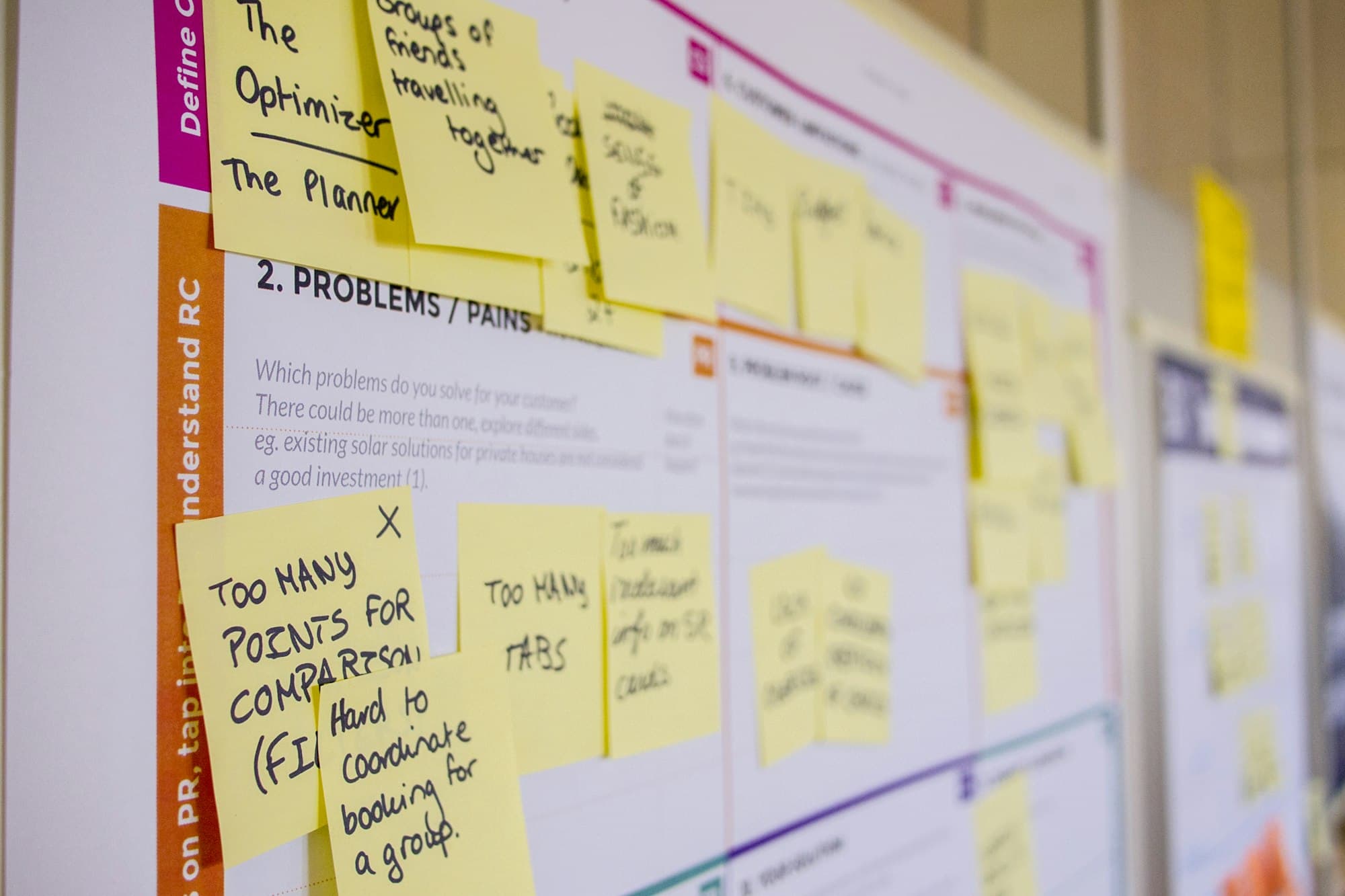
You've probably hit walls where your iterations feel incremental and you can't break through—this shows you how first principles thinking cuts past 'we've always done it this way' to find the non-obvious path forward. It's the difference between tweaking and actually disrupting.

You think you know the startup playbook, but this talk breaks down the exact pitfalls that sink teams who rush to build — founder conflicts, the MVP trap, and fundraising missteps — with battle-tested frameworks to help you recover before you're in too deep.

You've probably abandoned half-baked processes because they felt clunky, but that's exactly when you should double down. This article reveals the meta-move: treat your processes like experiments you A/B test and iterate on, so they actually stick instead of rotting in a doc nobody reads.

You're probably spreading yourself thin across too many features and wondering why nothing feels polished. This breaks down how Dropbox's narrow focus lets them ship clever integrations (screenshot uploads, photo backups) that feel obvious in retrospect—but only happen when you stop chasing every shiny idea.

You've probably jumped into gear purchases based on specs and reviews, only to discover deal-breakers after it's too late. This field test reveals why hands-on prototyping feedback—before production locks in—is your chance to shape a product instead of just complaining about it later.

You're juggling three half-finished projects and wondering why none are shipping—this breaks down how Jobs used ruthless 'no's to create the bandwidth for impossible 'yes's like the iPhone. You'll see why your lack of focus, not your coding skills, is what's actually blocking you from finishing anything that matters.

You've probably tried using project tools for personal stuff and it felt like overkill—but this shows you the async communication trick that actually makes it work: fewer meetings, more progress, and everyone (even the midwife) stays aligned. The key is inviting the right people and letting the tool do the heavy lifting, not forcing everyone into a room.
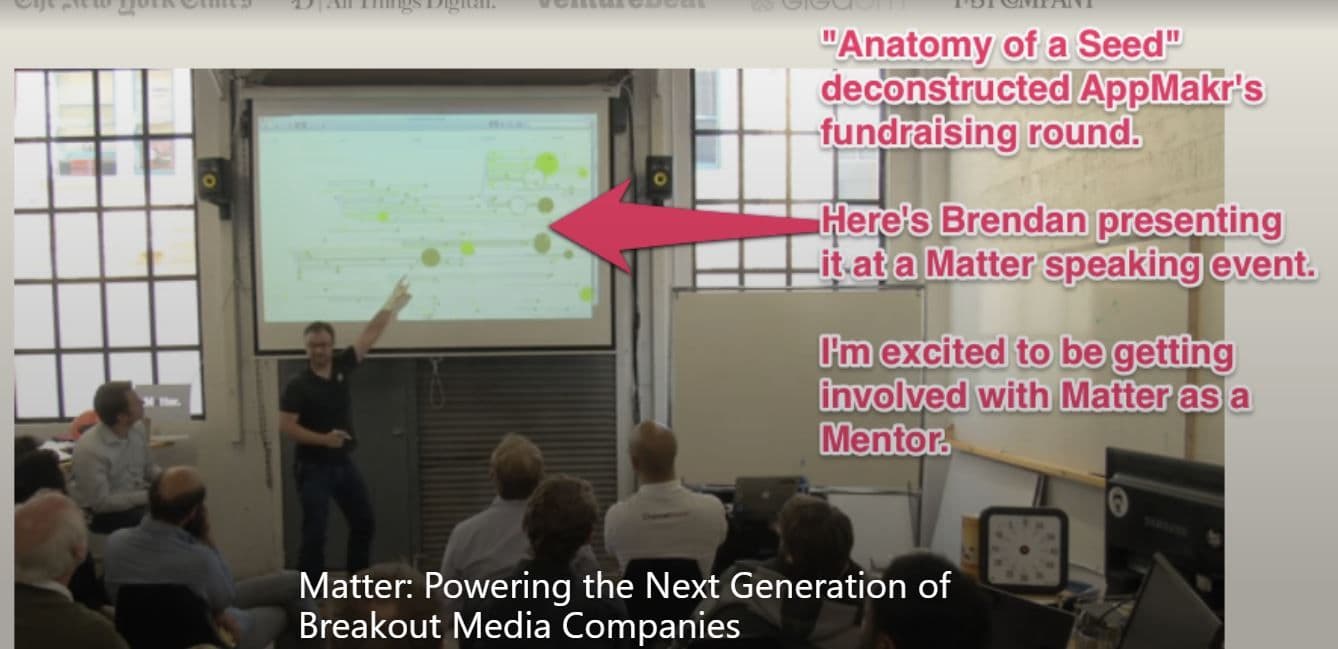
You've probably tried building solo and hit walls you couldn't explain—this reveals the structured support systems (accelerators, async mentorship) that help media founders avoid the fundraising and focus mistakes that kill most startups. The founder here sold two companies and breaks down exactly how he got unstuck when spreading too thin.

You've probably spread yourself too thin across projects—this shows you why the founders of a platform that generated thousands of apps still chose to sell it, and how that counterintuitive move unlocked their next phase of growth.

You've probably been copying desktop social tactics to mobile without thinking twice — this panel breaks down the specific context shifts (in-store, on the couch, in bed) that actually change what works, so you stop wasting effort on strategies that don't translate.

You've probably been told to match competitors feature-for-feature, but this article shows why that's a losing strategy and what to do instead—it'll save you from wasting months building the wrong things.

You've probably tried connecting an API or two, but this breaks down the $32 trillion shift happening as physical devices go online—and shows you three real startups (Automatic, Lockitron, Tile) that nailed it so you can spot the pattern before you waste time on the wrong IoT project.

You think you'd nail a new device on day one, but watch someone who captures content for a living struggle with 10-second video limits and having to teach every person who touches it. The real lesson: even 'intuitive' tech requires iteration, and your users will hit the same walls you do.

You're probably sitting on your idea waiting to build the perfect prototype, but this post shows you why that's backwards — and walks through a real example of validating a tech startup by literally standing on a street corner first.

You've heard about hardware startups and IoT but haven't seen a dead-simple use case that actually makes money—Tile is that use case. This post breaks down how one startup unlocked location data for everyday objects and turned it into a product people pre-order, giving you a concrete model for thinking about data + mobile. It's a quick read that'll save you from over-engineering your next side project.

You've probably wondered how apps stay in sync with live content without clunky manual steps—this breaks down the audio SDK trick (inaudible signals your phone's mic catches) so you understand the mechanism behind the magic. It's the kind of non-obvious integration pattern that could save you from overengineering your next sync feature.

You're probably building features without a clear 'why'—just like Barnes & Noble did with the Nook. This breakdown shows how fuzzy focus kills products, and how Amazon's single guiding question makes every decision obvious (so you stop second-guessing yourself mid-build).

You've felt the frustration of hotel wifi, but here's the data that proves why your mobile-first instincts are right — and why half-baking mobile support will cost you users who expect that speed everywhere.

You keep tweaking the UI instead of shipping because it doesn't feel 'ready,' but you're optimizing the wrong thing. Amazon, Twitter, and YouTube launched ugly and won on product value — 100 passionate users beats 100,000 who don't care, so stop polishing and start learning from real feedback.

You think having a solid idea is enough, but this breaks down exactly why two well-funded EV startups crashed while Tesla soared — Musk's iterative approach with the Roadster first, then Model S, versus jumping straight to a sedan. If you're skipping steps or going too big too fast, this shows you the recovery path you're missing.

You've probably dismissed some new tech as hype before, only to scramble later—this visual reminder shows how fast the world actually shifts, so you know when to start building instead of waiting.

You've probably built features users ignore, and this article explains why: you're missing the difference between Inherent engagement (core value, like Home Depot's bolt-sizer) and Enhancement engagement (social overlays, gamification). Understanding this distinction will save you from building yet another abandoned app.

You'll learn how dSky9 reverse-engineered Google Glass by putting it in debug mode and dropping .apk files directly onto the device — no official SDK, just resourcefulness. This is the exact mindset that gets you unstuck when the docs don't exist yet.

You're probably chasing ideas that sound good but are actually too obvious to win big. This framework shows you how to spot the counter-intuitive opportunities that look like bad ideas but aren't — and more importantly, how to know when to dump a real bad idea before you waste months on it.

You've shipped a few things but you're winging the business side—this interview walks through the financing, partnership, and iteration mistakes you're probably making right now, plus why your half-baked product knowledge is holding you back from actually leading technical work.

You think you've found product/market fit, but this framework reveals the trap that kills funded startups: scaling from 6 to 16 employees too early. Learn the specific signals that tell you when to stop being proactive and start being reactive—before you burn through your runway.
You think you know how to pitch and pivot, but this breakdown reveals what VCs are really thinking when you're in the room — and why survival, not brilliance, is what separates dead startups from acquired ones. Watch a founder navigate a secret acquisition while teaching a Stanford class, and learn what 'doing whatever it takes' actually looks like when your back's against the wall.

You'll learn why the mutual rating system between riders and drivers is the key design choice that makes the whole platform work — a non-obvious insight about incentives that you can steal for your own products. Plus, you'll see what early adoption looks like when both sides are figuring it out together.

You think an acquisition is the finish line, but this founder reveals it's actually where the hardest work begins — navigating emotions, team dynamics, and integration chaos that no one warns you about. Read this before you romanticize an exit.

You think you understand user friction until you read how a hyphenated last name broke an entire booking system—and how the founder personally jumped in to fix it. This is a masterclass in identifying the gap between 'it works for me' and 'it works for real users.'

You think you understand mobile strategy, but this breaks down why companies like Facebook and Basecamp abandoned their web-first approaches and went back to native apps — a mistake that could cost you real engagement if you bet on the wrong stack.

You've interrupted developers with 'quick questions' and wondered why they seem annoyed. This explains the scuba-diving nature of deep work you keep breaking, why your assumptions about coding difficulty are wrong, and how even basic scripting skills will multiply your effectiveness in ways you haven't considered.

You've probably picked tools based on hype or feature lists, then wondered why engagement stayed flat. DROdio breaks down what actually made him switch platforms and stay switched — the non-obvious criteria that separate tools you abandon from tools you evangelize.

You've probably heard 'mobile-first' thrown around, but this shows you the actual carnage — Zynga's CEO publicly admitting he missed it, Facebook's IPO tanking over it. If you're building features without a mobile strategy, you're repeating the exact mistakes that got real CEOs fired.

You've probably worried about accidentally infringing on some vague patent when you build, and this shows you're right to worry—even patent examiners can't search existing patents properly. The key takeaway: experts want patents to require actual code, not just 'I have an idea,' which would save you from getting sued over something you independently built.

You've probably blown past a few project deadlines because your estimates were wildly off or because priorities shifted mid-sprint. This shows you why daily re-prioritization beats long-range planning: you'll catch yourself working on the wrong thing before you've wasted a week on it.

You've probably jumped straight to building at scale without validating demand first — this dissects a founder who ordered 10,000 units before discovering customers wanted something completely different. You'll spot the exact moment he should've pivoted and how cheap prototyping catches these errors before they cost you thousands.

You've probably built a cancellation flow without thinking twice about retention hooks, and this breakdown shows you exactly what you missed—multiple friction points, strategic offers, and buried buttons that actually work. You'll walk away with concrete tactics you can adapt (or avoid) in your own products.

You've probably built or downloaded apps that nobody uses twice, and this explains exactly why that keeps happening—even as mobile explodes. The stats here reveal the brutal engagement cliff you're likely hitting (26% one-time opens, sub-5% retention at 90 days) and a specific lens for diagnosing what's missing: the hidden community already inside your app.

You'll see a real-world service (Instacart) that nailed grocery delivery before you even thought it was possible—proof that execution beats your half-finished side project. The founder gets live-tested during VC pitches, which is exactly the kind of builder confidence you're trying to fake.

You'll hear a CTO discuss shipping at massive scale and spinning up teams across coasts—the kind of operational reality that bites you when your side project suddenly needs to grow. Watch for the JSIO mention and how he frames the DC-to-SF pivot; it's the stuff that breaks your build if you ignore it.

You've been building iOS-first because that's what everyone in tech does, but Android shipped 550 million devices in 2012 versus iOS's much smaller share. This breakdown shows you the market reality that could make your next project irrelevant if you keep following the Valley bubble.

You've probably tried to wire up payments before and gotten lost in API docs or authentication headaches. This shows you what a truly frictionless integration looks like — one line of JavaScript — so you can spot when you're overcomplicating things.

You think you're paralyzed by uncertainty in your builds, but Jefferson bought half a continent without knowing its actual size. This reframes your 'what if it breaks' anxiety—sometimes the strategic win justifies the unknown risk.

You've probably tried to recruit beta testers and gotten crickets—this CEO's equity offer got a flood of volunteers, and you'll see the exact move that made the difference so you don't waste time on tactics that don't work.

You think unlimited data is the holy grail, but this side-by-side test shows Sprint's LTE crawling at 0.3mbps while AT&T hits 31mbps — a 100x difference that'll wreck any app you try to build or demo. Speed trumps data caps when you're actually shipping product.

You've shipped things before, but Matt's story about watching strangers organically use Cosemble captures the specific milestone that separates 'I built a thing' from 'I built something people actually want' — and how you'll know when you've crossed it.

You've probably assumed Facebook's social graph was the secret sauce for ad targeting, but this breaks down why boring old retargeting cookies crush it—and why you keep overengineering solutions when the simple approach would work. It's the Occam's Razor lesson you need before your next build spirals into unnecessary complexity.

You've probably launched features nobody uses—Apple did too with Ping, and this reminds you that shipping fast means nothing if you're not ruthlessly cutting what doesn't work.

You've probably assumed the TV or the car dashboard is the 'main' device and your phone just connects to it, but you've got it backwards—and that mistake is why your app ideas keep feeling like afterthoughts. This piece explains why the phone is the command center and everything else is the peripheral, so you can stop building for the wrong screen.

You've been telling yourself you can ship a great mobile app with just web tech because it's faster and you already know it. Facebook tried that with world-class engineers and users revolted over the sluggish experience—so unless you're okay being slow and second-rate, you need to bite the bullet and go native.

You've built something cool and assume developers will just find it, but crickets. This reveals why your Product Hunt launch and blog posts aren't working and what actually converts technical users into customers.

You've probably assumed you have 3-5 years to adapt to new tech, but this shows how newspapers lost $43 billion in ad revenue in just 11 years after 50 years of growth. You'll learn why your mental model of 'gradual change' is the exact trap that kills billion-dollar companies, with specific frameworks for recognizing exponential curves before you're disrupted.

You keep saying you'll ship features by Friday but consistently miss deadlines, then wonder why stakeholders ignore your estimates — this breaks down exactly why your words don't match your actions and how to fix it before you lose all trust.

You've wrestled with WordPress plugins trying to make your blog feel less like shouting into the void, but it still feels clunky and one-way. This walks you through why even a power user abandoned WordPress for a platform that nails community interaction—before it even had social sharing buttons—and what you're missing about 'social' if you think it's just share counts.

You've copy-pasted API keys and fumbled through documentation, but you've never really understood why APIs are structured the way they are or what problem they're actually solving. This post uses a real Census Bureau API example to show you what each part of that intimidating URL string actually does — so next time you're debugging a failed request, you'll know exactly where to look.

You've probably spun up some AWS instances and called it 'scalable,' but this shows how Socialize's team treats internal APIs like products with real customers, uses short-cycle scrum to avoid the premature design rabbit holes you keep falling into, and automates infrastructure changes that take you hours of manual work. The 'teams as customers of each other' model alone will save you from your next integration nightmare.

You've probably slapped points or badges onto a feature and watched engagement flatline — this explains why reward timing and challenge-to-skill balance matter more than the mechanics themselves. You'll learn the difference between connection (easy) and interaction (what actually builds loyalty), plus how to avoid the trap of making tasks too hard or too easy.

You've probably heard 'HTML will catch up to native apps in two years'—but this breaks down why that's a trap. Hardware evolves faster than web standards can follow, and understanding this timing mismatch will save you from betting on the wrong horse when you're deciding what to build.

You'll catch the mistakes these veterans made with UX, privacy, and mobile marketing so you don't repeat them — including how Marriott's team thinks about interactive strategy and what AOL's design director learned the hard way. These aren't theory talks; they're war stories from people who've recovered from the exact traps you're probably walking into.

You'll learn how Socialize designed their SDK to prevent the exact integration mistakes you've probably made—focusing on the API decisions that keep developers from getting stuck. This breaks down what rapid adoption actually looks like and why certain design choices make or break developer experience.

You've probably added social features that flopped because you copied Facebook's friend model. This breaks down why interest-based connections (strangers who share a hobby) actually drive more engagement—and shows you the pattern Instagram used to get acquired for $1B.

You're probably raising money too early or burning through runway without the right metrics—this founder's journey shows why traction beats pitch decks, and how they pivoted from consulting to product without running out of cash. The mistake you're avoiding: trying to monetize before proving anyone actually wants what you're building.

You think you understand mobile monetization, but this panel reveals the distribution and discovery traps that kill most apps before they earn a dollar. Watch how experienced founders and investors navigate the ecosystem's hidden gotchas.

You'll catch the mistakes companies make when they assume mobile is just 'desktop but smaller'—this panel breaks down why your tablet strategy probably needs a rethink before you waste more time building the wrong thing.

You think scaling is just about adding locations, but this CEO reveals how easy it is to accidentally dilute your brand (like Philz did on Virgin flights) and the cultural guardrails you need before you expand.

You think you understand mobile trends, but this keynote reveals the pattern behind building three successful mobile companies in rapid succession — and the leverage points you're probably missing. See how a founder pivoted from consulting to product to platform without getting stuck in the weeds.

You've probably jumped into app ideas without understanding the strategic 'why' — this panel breaks down how traditional companies used apps for both operational efficiency and customer engagement, so you can avoid building something nobody needs.

You've probably tried screen recording on your iPad and hit a wall when the output looked janky or the audio didn't sync — this shows you the specific hardware setup (BlackMagic box, HDMI adapter, USB headphones) that actually works, plus the iMovie workflow that saves you from wrestling with export settings. It's the recovery path from 'I can't figure out how to capture this cleanly' to 'I shipped a demo video today.'

You think APIs are just REST endpoints, but Qualcomm is exposing hardware-software integration as developer services—this interview shows you what that actually means and why a startup founder inside a giant corp thinks it matters for your building velocity.

You've been burned by missed deadlines even when you 'estimated carefully,' and this post explains why: Person A always takes the same time to complete Task X, no matter what you promise. Understanding this one constraint will save you from over-committing and help you prioritize what actually ships.

You've probably built quick internal hacks that later became impossible to scale or reuse. This explains why Amazon institutionalized 'eating your own dogfood' — building everything as a public platform from day one — and how that discipline saves you from the refactor hell you keep hitting.

You've seen Scrum work for engineers, but you keep hitting walls when you try to apply it elsewhere — this CEO actually did it across marketing, sales, and finance, and he breaks down the core mindset shift that makes it click. Stop forcing deadlines that breed resentment and start prioritizing ruthlessly; the next post covers where it breaks down outside dev.

You think viral success is about perfecting your craft, but comparing these two dancers reveals the counterintuitive truth: sometimes connection beats technical skill, and knowing which one matters for your project saves you months of wasted effort.

You think you know where your startup stands, but this benchmark reveals the blind spots that kill companies—the patterns between 3,200 startups that separate winners from the 'we thought we were doing fine' crowd.

You've probably heard "interest graph" tossed around in product discussions but never quite grasped why it's supposed to matter—this breaks down exactly what it is, why it's not just social-graph-with-extra-steps, and how it fundamentally reshapes how you should be thinking about user engagement. You'll stop nodding along cluelessly when execs mention it.

You've shipped an app but nobody's downloading it, and this panel breaks down the distribution and financing strategies that separate apps that scale from apps that stall — including mistakes you're probably making right now with marketing and monetization.

You're probably building way more than you need before launch, just like Shane was. This traces his shift from feature-bloat to shipping in 90 days with less—the mistake you're likely making right now and how to recognize when you've overshot your MVP.
You've probably ignored the business model while building your app, assuming ads "just work." This panel breaks down DSPs, SSPs, and RTB — the acronym soup that determines whether your app actually generates revenue or just burns your time.

You've integrated Facebook login thinking you nailed social features, but you're missing the forest for the trees. This explains why friendship-based connections are a limited proxy and why the Interest Graph — the thing Facebook actually monetized — is where the real leverage lives.

You've probably set up Basecamp and then watched it become chaos because nobody uses it the same way. This shows you the exact organizational structure and naming conventions a real company enforces so everyone actually knows where to put things and how to find them again.
You think you're focused until you hear Steve Case claim his focus is 'entrepreneurship'—which is like saying your focus is 'coding.' DROdio calls him out in real time, and you'll recognize the trap you fall into when you spread yourself thin and rationalize it as strategy.

You're probably burning cash on tools without doing the founder math: DROdio breaks down exactly when Uber's 4x premium makes sense versus when it's waste. Learn to evaluate cost-versus-context before you commit.

You're probably chasing the hottest platform without thinking about strategic timing — DROdio shows you how to read between the lines at a corporate pitch dinner and decide when to bet on the underdog. He launched AppMakr for WindowsPhone when everyone else was all-in on Android.

You think you know how to build a product, but Dennis Crowley's talk reveals why hyper-focus beats feature creep—Foursquare hit 8.5MM users by resisting the urge to be everything, even when competing with Facebook. His entrepreneur tips might save you from the classic mistake of diluting your core idea.

You've probably heard mobile is 'the future' but this panel shows you which bets are paying off today — in-app purchases, tablets in enterprise, cost-per-install economics — and which tech (like HTML5) isn't ready yet. Stop guessing at trends and hear from execs who've already made (and recovered from) the expensive mistakes.

You've probably assumed location features 'just work' and shipped something that flopped in the real world—Virgin's airport checkin campaign crashed because GPS can't penetrate indoors reliably. This is your reminder to test the underlying tech limits before you promise users a feature that physics won't support.

You've probably jumped straight into building an app without considering whether mobile web would serve your users better. This panel reveals the competing considerations you need to weigh before committing to either path—and might save you from a costly rebuild.

You picked a tool, rolled it out, and now your team is complaining it's not working—but you're not sure if it's the tool or how you're using it. This dissection walks through the discipline gap that kills adoption and how to diagnose whether you need better training or different software.

You've probably built a mobile app or two, but this vision document reveals seven fundamental changes you're likely missing about where mobile is headed — the kind of strategic blindspots that separate tinkering from building something that actually scales.

You're probably afraid to ship because you're afraid to be wrong, and this piece shows you why that fear costs more than any bug you'll ever write.
You'll learn how Filter Publications shipped apps without getting stuck in platform-specific nightmares — AppMakr handled iPhone, Android, and Windows Phone builds so they didn't have to debug three codebases. This shows you the leverage of letting tools handle the grunt work while you focus on shipping.

You think you know how fundraising works, but Naval reveals how the landscape has shifted under your feet—and why the approach that worked five years ago will waste your time now. This saves you from pitching the wrong way to the wrong people.

You'll see how collaboration with NASA produced exhibition-quality planetary images, reminding you that even ambitious technical projects require partnerships and proper resources. It's a reality check on scope before you promise your boss the moon.

You think shipping features is just about user engagement metrics, but this shows how Facebook Photos became infrastructure for political revolution — a reminder that the systems you build have consequences you never planned for.

You've probably made the same mistake Blackberry did here: bolting on features from competitors instead of doubling down on your core strength. This quick read shows you what that looks like when a giant does it.

You'll catch Jason Calacanis admitting what he'd do differently, which might save you from the same trap: playing too small when you should be swinging for the fences.

You think you need to build complex IoT integrations from scratch, but this demo shows proprietary hardware doing the heavy lifting at 915 MHz with 200-foot range—revealing how the right platform choice saves you from reinventing connectivity and data capture.

You'll learn how experienced founders frame product strategy and company direction — the kind of thinking that helps you avoid building the wrong thing or pivoting too late when your own projects start to drift.

You think social features are just 'add sharing buttons,' but these CEOs reveal how SEO and network effects actually drove 17 million registered users. The gap between your prototype and their scale is in the details they share here.
You think monetization is just 'add a paywall,' but this panel breaks down how 25-40% of revenue came from non-paying users and why tracking player behavior across games mattered more than you'd guess. It'll save you from building the wrong incentives.

You think automating everything is the answer, but these CEOs explain why self-service products fail with small businesses and why 'feet on the street' still wins — a reality check before you build the wrong thing.

You think you understand why Facebook ads underperform Google search, but Levchin and Gurley reveal the structural reasons big companies can't pivot—insight that'll save you from repeating their mistakes when your own product needs to evolve.

You think you know how to scale, but Tim reveals why your obsession with 'culture' and 'perfect terms' is backwards—LivingSocial ignored liquidation preferences early on and focused on board control instead, then used a simple mental trick (writing their future success story) to identify what actually mattered. You'll stop optimizing the wrong levers.

You've probably run a few experiments but never tracked results systematically, so you keep repeating the same mistakes. This wine showdown is actually a lesson in structured testing: independent scoring, clear criteria, and how to spot patterns in conflicting feedback — skills that'll save you when your build breaks and you don't know why.

You're probably drowning in email threads and re-explaining things you've already taught someone else. This shows you exactly how to capture knowledge once and reuse it forever using Basecamp, with a concrete example of turning a 4-month-old training into instant onboarding.

You think you know growth tactics, but Drew Houston reveals how AdWords and standard marketing mostly failed at Dropbox—while Dave McClure warns that 90% of founders like you will fail by ignoring his AARRR metrics framework. Watch these to catch the gaps between what you think works and what actually drives traction.
You'll watch a panel confidently predict that HTML5 would kill native apps, then realize they missed what actually matters — so you don't repeat their mistake of betting everything on the wrong stack when your boss asks what to build next.

You'll learn how this builder stitched together RSS feeds, push notifications, and geo-tagging into a native iPhone app without touching Xcode — a pattern you can steal when your next build gets stuck on mobile deployment.

You think you get mobile, but this 2010 keynote reveals the sensors and capabilities that became the building blocks you now take for granted — and understanding where they came from helps you avoid building like it's still 2009. Jobs called the wave before it hit; knowing what mattered then sharpens what you prioritize now.

You think you know where mobile is headed, but this talk from 2010 shows how even sharp predictions age fast — watch it to see what a founder got right, what blindsided everyone, and how to avoid betting on the wrong future.

You've gotten stuck because you jumped straight to *how* to build something without nailing down *why* it matters. This TED talk shows you the one reframe that keeps real builders focused and prevents you from coding yourself into yet another dead end.
You've started projects but never finished them or taken them seriously — these founders reveal when they stopped tinkering and committed real money, time, and legal protection to their ideas.

You'll watch a 2010 panel on mobile websites and realize how fast the landscape shifts — what seemed cutting-edge then is table stakes now, which means the vibe-coding shortcuts you're learning today will compound faster than you think.

You think you're ready to start something, but you're probably underestimating co-founder conflict and early pivots — this talk breaks down the mistakes PointAbout made so you don't repeat them.

You're spreading yourself thin across multiple projects and wondering why none are taking off — this post challenges the 80/20 rule you've been following and shows why betting everything on one focused thing might actually multiply your results by 10x instead of just doubling them.

You'll learn how The Washington Post prioritized SMS, mobile web, and native apps without spreading themselves too thin — the strategic framework that kept them from chasing every shiny platform at once.

You'll catch the strategic mistakes panelists made in 2010 mobile platform choices and advertising bets — hindsight that saves you from repeating their expensive pivots. The business model discussion reveals which monetization approaches actually worked versus the ones that sounded good in pitch decks.

You'll learn how a Y Combinator-funded team turned a working prototype into an acquisition by Facebook, showing you what product trajectory actually catches a tech giant's attention before you waste years building the wrong thing.

You'll learn from someone who managed WhiteHouse.gov's Drupal migration—the exact mistakes they hit and recovered from—so you don't repeat them when your vibe-coded prototype needs to scale into a real CMS.

You think you know where the market's going, but this survey data from Deloitte's corporate clients will show you which bets are actually paying off and which trendy moves are about to bite people. It's the reality check you need before you double down on the wrong stack.

You think you'd jump at a big acquisition offer, but Digg's CEO explains why that distraction tanks companies and why prioritizing revenue too early actually lowered their valuation. You'll see the non-obvious mistake that cost them leverage—and how to avoid it.

You've heard of incubators but never understood how they work in practice — this shows you the concrete deal (space, money, timeline) so you know what to look for when you're ready to apply instead of fumbling through it blind.

You're building apps but constantly second-guessing your tech choices because you're not sure what's working elsewhere. This gives you a ready-made competitive intelligence dashboard so you can stop guessing and start seeing what the real players are doing.

You've probably tried tracking apps before and abandoned them after a week. This post shows why public accountability and friction-by-design (having to open the app) actually work to change habits—lessons that apply directly to building features users will actually stick with.

You've probably jumped into building without really understanding whether native or web was the right call for your project—and paid for it later. This panel walks through the actual trade-offs and common mistakes (14 of them) so you can avoid rebuilding from scratch when your approach hits a wall.

You've probably jumped into mobile projects without a clear architecture, and this talk breaks down the mobile pyramid and key terms so you stop confusing layers and can actually plan initiatives that don't collapse halfway through.

You've shipped an app but monetization feels like guesswork — this panel from Zong, Groupon, and others breaks down what's actually converting users into revenue in 2024. You'll catch the gaps in your own strategy when you hear how the pros think about pricing, payments, and retention.

You've probably tried to build an app integration and gotten stuck in API authentication hell—here's how AppMakr wrapped Ning's API into a $25/month DIY product that handles two-way sync (read and write) without you debugging OAuth flows. The lesson: sometimes the real build is knowing which tools to glue together, not reinventing the wheel.

You think you're building, but are you just consuming with extra steps? Negroponte's shift from laptops to tablets reveals why creation tools matter more than you realize — and why your current setup might be keeping you stuck in consumer mode.

You've launched a side project and think hustle conquers geography, but this post reveals the hidden infrastructure — the rooms you're not in, the intros you can't get — that actually determines whether your startup scales or stalls. It's a wake-up call about the invisible advantages you're coding without.

You think you know how to fundraise, but this panel reveals the decision points that trip up most founders — like convertible debt vs equity rounds, and the hiring mistakes that cost you momentum. DROdio shares what he got wrong so you don't have to.

You've been building "web apps" thinking they're fundamentally different from mobile apps, but users don't care about the tech stack — they care about ownership and focused action, which means your packaging and framing matters as much as your code.

You'll catch how experienced mobile leads at Google Maps, Dropbox, and Bump think about architecture and team structure—the kind of perspective that helps you avoid the classic mistakes when your prototype needs to scale.

You've shipped something but nobody's using it, and you're not sure if it's a marketing problem or a product problem. This panel walks through how experienced builders actually found their audiences, got traction, and made their apps spread — so you can diagnose where your own launch went sideways.

You're probably building apps without understanding why big companies abandoned paid models for freemium — this event breakdown shows you the revenue model mistakes ESPN tested so you don't have to. The real lesson is about distribution strategy and why your brilliant app idea will fail if you can't get it in front of users.

You think you know how to scale, but Evan admits he was 'too anxious' at first and reveals the specific breaking points — like losing track of who works for you — that catch founders off guard. You'll spot the mistakes before you make them yourself.
You think networking is just collecting business cards, but this shows how a chance elevator conversation can reveal production-ready tools you didn't know existed. The barcode scanning demo proves you don't need to build everything from scratch when better solutions are already out there.

You've probably thought about smart locks but never pulled the trigger because the setup seems like a black hole of compatibility issues and bricked hardware. Here's a founder actually using one in production, so you can see what works before you waste time on something half-baked.

You're probably stuck because you're swinging for transformational breakthroughs instead of shipping fast, testable experiments. This article shows you why your competitor who ships scrappy prototypes every week will beat your grand vision every time.

You've probably romanticized the founder journey, but this 54-minute conversation strips away the highlight reel and shows you the unglamorous grind — the mistakes, the course corrections, the stuff that goes wrong before it goes right. You'll hear what you're actually signing up for.

You're probably overbuilding and saying yes to too many features—this shows you the discipline of cutting scope before it buries you. Learn how a tiny team stays productive by doing less, hiring later, and making opinionated choices instead of drowning in preferences and requests.

You're about to hit a wall after your launch spike, and this post names it: Paul Graham's 'Trough of Sorrow.' You'll see how a team that nailed the launch still had to grind through support tickets at 4am, and which outsourced tools (Zendesk, CoTweet) kept them from collapsing under the load.

Before you cobble together another Zoom screen-share or wrestle with OBS settings, know that live streaming from mobile is now a one-tap install. You've probably overthought this problem — uStream on iPhone means you can broadcast in real-time without configuration hell or needing to understand encoding, bandwidth, or RTMP.

You've probably wasted hours fighting bloated prototyping tools that slow you down — Balsamiq strips away the nonsense so you can crank out mockups in minutes, not days.

You've probably slapped a price on something without thinking it through, then wondered why nobody bought it or why you left money on the table. This shows you the framework real companies use to avoid guessing—and saves you from the classic mistake of picking a model that sounds good but doesn't fit your product.

You've probably entered a hackathon or two, but this piece shows why institutional support—prize money, tracks, partnerships—determines whether your side project dies in your dorm room or becomes the next Google.

That moment when you explain your code to someone and they stare blankly back? This article nails why that happens — you're hearing the full song while they only hear disconnected taps. You'll recognize yourself in the 'tapper' role and learn why your explanations fall flat even when the solution seems obvious to you.

You think you're resourceful until you see what these students did with $5 and two hours. The winning team didn't even use the money — they sold something you already have but never thought to monetize.

You think you're building cutting-edge stuff, but this 2009 panel shows how even 'revolutionary' platforms (remember widgets?) fade fast — what matters is the fundamentals of custom development and solving real client problems. Notice how the successful play was doing both client work AND building reusable tools, not betting everything on one trendy platform.
You think you've got the hustle figured out, but this speech shows you what sustainable, repeatable growth actually looks like—Tony Hsieh and the Inc. 500 founders didn't just get lucky once, they built systems that kept working even through a recession.

You think you're stressed now? Wait until you hear Doug's story about turning on his phone to eight bleeps and knowing 'the day's done' — this is what recovery under pressure looks like when you're running a real company, not just a side project.

You think you're optimizing your site, but this case study shows how systematic A/B testing took conversion from 2% to 40% — meaning you're likely leaving 95% of your potential results on the table right now. The linked deck reveals what you're missing.

You've probably dismissed AR as gimmicky demo videos, but this frames it as a practical 'sixth sense' for tapping into live data wherever you stand — worth understanding now before it becomes table stakes in your next build.

You've built some social features, but this panel reveals which platforms are actually worth integrating and which trends are about to make your current approach obsolete.

You've launched a side project or two but keep hitting walls you didn't see coming—Paul Graham's essays reveal the non-obvious traps that sink most startups, based on patterns from thousands of Y Combinator companies.

You'll see how a founder commits to transparency without torpedoing his own company—he delays posts for years if needed and uses transcription tools to stay consistent—which might save you from oversharing your way into trouble.

You'll get unfiltered war stories from founders who've survived the mistakes you're probably making right now — the kind of tactical insights that save you months of spinning your wheels. This isn't a pitch deck competition; it's a room of people who've actually shipped and can tell you what really breaks when you scale.
You've probably tried voice-to-text before and given up when it mangled your words—this shows you how to get 90-95% accuracy that's good enough for SEO, using a phone-cradle-modem-style workaround that actually ships. The real lesson is knowing when "sloppy but done" beats "perfect but never published."

You'll get a reality check on what 'building in public' actually means—shipping rough work, not waiting for perfection—and see how consistency over years beats sporadic bursts of overengineering.

You've had projects stall because 'I'll look into it' turned into weeks of nothing. This breaks down the exact commitment structure that prevents that spiral—forcing dates even when the date is just to report back with another date.

You'll watch someone take a complex optimization problem (weighted employee locations, traffic, amenities) and package it as a SaaS product with a patent filing and a licensing model — the kind of real-world productization you skip when you're just hacking demos together. This is what happens after the code works.

You've probably blamed 'users don't get it' when your app flopped, but this Betty Crocker story reveals the trap: the cake just sucked. If you keep making excuses instead of seeing what actually broke, you'll stay stuck in the same loops forever.

You've probably burned time chasing tools or approaches that promised to be good, fast, AND cheap, then wondered why they fell apart — this rule explains the fundamental constraint you keep hitting and how to stop wasting effort on impossible combinations.

You've shipped some projects, but have you thought about what comes after the next deploy? DROdio's crossed off massive life goals (three exits, ultramarathons, Burning Man) and shares what's still ahead — a reminder that building is a long game, not just fixing the next bug.
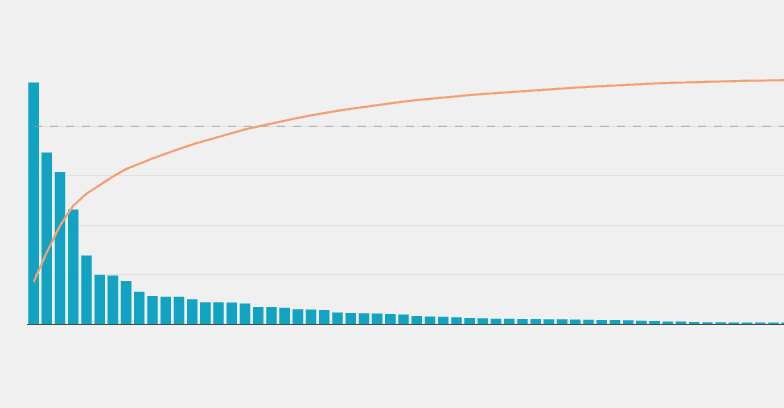
You keep getting stuck because you're obsessing over polish before validating demand. This explains why that perfectionism is killing your momentum and how to break the cycle: ship at 80%, let users tell you what's actually broken.

You've stalled projects waiting for the right setup or clearer requirements, then wondered why competitors shipped first. This breaks down the self-sabotage pattern of waiting for external triggers and gives you permission to start building with what you have right now.

You've burned hours tweaking code that already worked, then rushed the next feature because you ran out of time. This breaks down why perfectionism isn't about quality—it's about misallocating your scarcest resource, and how to catch yourself before you do it again.

You've built a sleek site with all your services listed, but inquiries aren't coming in—and this post reveals the embarrassingly simple mistake you're probably making. Learn why your contact form buried three clicks deep is killing your conversion.

You've probably let great ideas die in Slack threads because no one owned them or set a deadline. GE's forcing function—assign an owner and a date in the room, or kill the idea immediately—stops that leak and keeps you from drowning in half-started projects.

You've probably built a checkout form and asked for card type because every example does — but this breaks down why that's cargo-cult coding and how to auto-detect it instead. It's a wake-up call about the real cost of copying patterns without questioning them, especially when you're stuck debugging someone else's lazy choices.
You've probably jumped straight into coding a full app only to realize nobody wants it. This walks through how to validate demand first—fake the product, collect real signals, pivot fast—so you stop building restaurants nobody will eat at.
You'll see the messy reality of building live: the typos, the 'wait, why isn't this working?' moments, and how to recover when things go sideways — which is exactly what happens when you're coding solo.
You've probably skipped writing PRDs and jumped straight to prompting — this shows you why that's been causing your builds to go sideways, and introduces Chief, a tool that structures your vibe coding so you stop getting stuck mid-project.
You're probably spinning up parallel agents to go faster, but today's collisions — duplicate work and a repo-blocking 170MB file — show exactly how that speed becomes a coordination nightmare you have to untangle.
You've been eyeing Pinecone because 'vector search' sounds like the move, but you're about to waste money and add complexity for a problem you haven't actually measured. This stops you before you paint yourself into that corner.
You've probably hit that wall where your AI solution worked perfectly in testing but failed mysteriously in production—that's jagged intelligence biting you. This breaks down the four zones where AI is superhuman versus subhuman, so you can stop getting blindsided by its weird failure modes.
You've dabbled in quantum computing concepts and thrown around words like 'superposition,' but you've never connected them to why consciousness feels so slippery to pin down. This article walks you through the actual measurement problem physicists still can't solve and shows you how your brain might be doing quantum-to-classical translation—a mental model that'll change how you think about both AI and your own awareness.
You've shipped AI features that users love, but this article exposes the blind spot in your engagement metrics: you might be building digital cotton candy that feels like care but atrophies the human skills your users actually need. It's the mistake you won't catch in your analytics.
You're probably approving PRs you don't fully understand or avoiding them entirely out of fear—here's how to use AI as a safety net that catches issues you'd miss while keeping your team unblocked.
You've shipped a few AI-generated features but keep hitting walls you can't debug your way out of. This breaks down why that whack-a-mole feeling is universal right now and what's coming next that will either save you or bury you if you don't adapt.
You're probably prototyping in Figma and calling it 'technical enough' — this shows you how to skip straight to functional code you can hand to engineers as a pull request. You'll learn why ping-ponging between Cursor and Windsurf gets you unstuck faster than grinding alone in one tool.
You're probably blowing deadlines because you're promising 'operating' timelines for work that's actually inventing — and you can't see the difference until it's too late. This breaks down the two modes so you stop under-promising and over-delivering on the wrong things.
You've dabbled with ChatGPT but haven't built it into your actual workflow, and now you're wondering if you're behind. This lays out a concrete self-assessment for executives: how AI-curious you need to be to stay competitive, and why 'productivity creates prosperity' means the real risk isn't AI taking your job — it's someone else using AI better than you.
You'll discover why your instinct to 'build it right the first time' keeps getting you stuck — this CEO prototypes a van kitchen in cardboard, learns what he got wrong from actual use, and iterates twice before committing to wood. It's the recovery strategy you're missing when your code goes sideways.
You're probably confusing activity with impact and calling every shipped feature a 'win'—this framework shows you how to measure what actually matters and learn from the 90% of attempts that don't work out.
You've probably started free trials you never finished and ignored 'free tier' emails because the product was crippled — here's why both models fail when companies half-ass them, and what a usage-based trial would actually look like.
You've probably tried automating reviews before and ended up with generic slop that guests ignore—this shows you how to use context from the actual Airbnb page plus a pre-stay survey to generate drafts so specific (mentioning Brex, AWS, backyard docks) that guests actually post them verbatim. The trick is the Chrome extension reading page content, not just prompting into the void.
You've probably set goals that felt inspiring but didn't translate into daily decisions. This breaks down how Storytell uses Vision/Mission/Strategy to align every choice — and introduces the North Star Metric that tells you if you're actually making progress or just spinning your wheels.
You're probably building too much before validating—this shows you how to catch failed ideas earlier by shipping prototypes instead of code, then actually measuring user reactions instead of guessing. It's the feedback loop you keep skipping that leaves you stuck rebuilding.
You've probably been moving fast and breaking things—literally breaking them—because you confuse speed with recklessness. DROdio's #velocity philosophy is about building the right thing fast, and this post is your entry point to his frameworks on decision-making, time management, and avoiding the mistakes that slow you down when you think you're speeding up.
You think you can do it all yourself, but this shows why that's a trap: DROdio built Armory from his garage to serving JPMorgan Chase, then deliberately hired a CEO with scaling experience he didn't have. The move from founder-CEO to Chairman isn't failure — it's how you avoid becoming your company's bottleneck.
You think you're ready to apply to YC, but this breaks down the exact growth metrics (5-6% weekly) and investor-management systems that separate founders who raise millions from those who flame out—plus the mindset traps that kill most applications before they start.
You've hired for diversity and checked that box, but if your team still feels like some people are just observing while others drive decisions, you're missing the inclusion piece — and leaving product insights on the table. This explains the 'accomplice vs ally' shift that turns diversity from a metric into actual competitive advantage.
You've heard 'data is the new oil' a thousand times, but this breaks down the actual reinforcing cycle: better product → more data → better models → better product. You'll see why your half-finished dashboards aren't enough—you need the DevOps chops to act on data fast, or you're just hoarding spreadsheets.
You've probably copy-pasted open source code without thinking about the business model behind it—this breaks down why companies like Docker collapsed while others captured $7B exits, so you understand the trade-offs when you're deciding what to open source in your own projects.
You've probably shipped something fast only to have it reversed by an exec who 'had a feeling'—this breaks down why that HiPPO problem happens and introduces a framework (Roundabouts, not Stoplights) that lets you move quickly without getting overruled. Learn how to structure authority so your builds don't get killed by opinion.
You've probably felt the friction of command-and-control structures but assumed it's just how big companies work. This engineer's story shows you the hidden cost: people who could be shipping innovation instead do the minimum and job-hunt. If you're stuck between 'move fast' mandates and rigid approval chains, this explains why you can't have both.
You've probably hit walls trying to move fast in a corporate environment. This breaks down exactly why your 'just ship it' instinct crashes into organizational antibodies, and gives you the risk-management language to actually get experimental work greenlit.
You've hit that wall where your experiments break things and you panic-revert, right? This shows you why that stoplight mentality—where you freeze at every risk—is what's actually holding you back, and introduces the "roundabout culture" framework that lets you keep moving while managing failures instead of avoiding them.
You've probably never thought about deployment pipelines as world-changing infrastructure, but this piece connects the dots from "my feature is stuck in staging" to "humanity's quality of life is accelerating." It reframes the technical problems you're wrestling with as part of something orders of magnitude bigger.
You're stuck because you assume you need to solve problems from scratch, but this simple puzzle shows why that's costing you hours. The fastest builders don't reinvent wheels — they search, adapt, and ship while you're still doing mental math.
You keep hitting walls because you take 'no' as final and quit when you think you're out of time. DROdio reveals how reframing rejection as 'a request for more information' and always trying one more thing has unlocked his biggest wins.
You've heard 'software eats the world' but here's a concrete example: Peloton charges 4x for hardware by nailing the software experience, and DROdio breaks down exactly why that premium sticks. If you're building anything, this is the playbook for how software creates defensible value.
You'll recognize exactly which stage your company is stuck in — probably Stage 2 or 3, where you're 'evaluating' Kubernetes but deployments still feel like walking a tightrope — and see what the path forward actually looks like when you stop half-stepping. This breaks down why your deploys are still scary and what changes when you finally commit to immutable infrastructure and real DevOps culture.
You're building features, but this shows why that's not enough—Amazon uses software to subsidize entire industries and strangle competitors who can't. You'll understand the difference between 'having software' and 'being a software company,' which is probably the gap between your current projects and actual leverage.
You'll find out why the CEO who sold a company to Harness for $83M still thinks you need frameworks for decisions, feedback, and time management — because winging it works until it doesn't. His FounderCulture content tackles the exact blindspots (like mistaking consensus for speed) that trip up builders who think they've got it figured out.
You think you already know what your users need, but this tactical playbook—gift cards at Starbucks, 10 interviews an hour—forces you to confront whether your assumptions actually hold up when real people touch your prototype. The basketball analogy nails why founders fixate on the wrong solutions when they skip this step.
You think digital transformation means adding an app or a website, but this breaks down why Kodak—who literally invented the digital camera—still went bankrupt. Amazon's Whole Foods play shows how software-first companies use one business to fund scorched-earth dominance in another, and your half-baked digital initiatives won't save you from that.
You think you know what customers want because you've lived the pain yourself—but DROdio's team was dead wrong about their core value prop until 100 conversations revealed the real problem. This shows you exactly how to structure customer discovery so you don't build the wrong thing for six months.
You've built the thing, but you're stuck waiting for someone else to act or for the 'right moment' to finalize it — and that's why your projects stall out. This shows you how to stop waiting and instead do the one tiny action right now that forces the value to unlock, like pre-signing contracts or booking the meeting instead of saying 'we should meet soon.'
You think you're good at setting ambitious goals, but Elon reveals how he works backwards from 'the headline' to prioritized actions — a framework that might expose why your roadmaps keep falling apart. You'll also catch his shifting timelines on self-driving cars as proof that even experts recalibrate constantly when reality punches back.
You think you can ship fast, but this designer conceived an entire temple in 10 seconds and mobilized a team to build it in weeks. You'll see how real creators move from vision to execution without getting stuck in analysis paralysis — a lesson that applies whether you're building art or software.
You're probably keeping too many half-dead experiments alive right now, thinking you're being strategic. This breaks down exactly why that mitigation instinct — watering all the trees just enough — guarantees none of them survive, and how elimination is the only path to traction.
You're probably adding features to fix problems when you should be perfecting the core experience — this breaks down why Slack beat crowded competition by *removing* distractions, not adding them. The trap you're falling into is scope creep; this shows you how ruthless focus on 'less, better' creates the product/market fit that makes users overlook what's missing.
You're probably overthinking your roadmap when you should be obsessing over whether anyone actually uses what you built. Zuck had zero plans for world domination in 2005, just undeniable product/market fit — and that's what carried Facebook from 'college directory' to empire.
You think pivoting means you failed, but WhatsApp started as a status app nobody wanted and spent three years in the wilderness before becoming the fastest-growing platform ever. This shows you exactly how long real iteration takes and why giving up at year two is the classic mistake.
You think you're prioritizing well, but you're probably building half-baked features that seemed urgent at the time. Pandora's system shows you how to kill your darlings before they waste weeks of your runway.
You've probably picked a tech stack based on a hot take or a Medium post, but this retrospective reveals which mobile architecture decisions aged well and which didn't — saving you from betting on the wrong horse when you're already halfway through your build.
You think you understand the quantified-self movement, but this piece shows you the broader context you're missing: why step-counting devices are just the tip of an iceberg that's about to reshape how you think about data in your own products.
You've read a thousand startup blog posts that all say the same thing, and you're still making avoidable mistakes with your board, your team, and your storytelling. First Round's Review breaks the mold with long-form, well-produced content that covers the specific situations where you're most likely to screw up — like firing someone or running a board meeting that doesn't waste everyone's time.
You've probably tried to build dynamic pricing features and hit walls around customer backlash or implementation complexity. This breaks down why hedging — not just surge pricing — is the loyalty unlock you've been missing, with a real-world angle you can actually code.
You're probably shipping too fast and fixing later — Spotify does the opposite, prototyping relentlessly before writing real code, which saves them from the costly rewrites you keep getting stuck in. Their four-stage process shows you exactly when to stop tweaking and when to ship.
You're probably betting on Android because 'everyone uses it,' but this report reveals why 60% of app developers earn under $500/month and how iOS's smaller user base generates 10x the revenue. Understanding these economics now will save you from building on the wrong platform and wondering why nobody's paying.
You've probably hit walls where your iterations feel incremental and you can't break through—this shows you how first principles thinking cuts past 'we've always done it this way' to find the non-obvious path forward. It's the difference between tweaking and actually disrupting.
You think you know the startup playbook, but this talk breaks down the exact pitfalls that sink teams who rush to build — founder conflicts, the MVP trap, and fundraising missteps — with battle-tested frameworks to help you recover before you're in too deep.
You've probably abandoned half-baked processes because they felt clunky, but that's exactly when you should double down. This article reveals the meta-move: treat your processes like experiments you A/B test and iterate on, so they actually stick instead of rotting in a doc nobody reads.
You're probably spreading yourself thin across too many features and wondering why nothing feels polished. This breaks down how Dropbox's narrow focus lets them ship clever integrations (screenshot uploads, photo backups) that feel obvious in retrospect—but only happen when you stop chasing every shiny idea.
You've probably jumped into gear purchases based on specs and reviews, only to discover deal-breakers after it's too late. This field test reveals why hands-on prototyping feedback—before production locks in—is your chance to shape a product instead of just complaining about it later.
You're juggling three half-finished projects and wondering why none are shipping—this breaks down how Jobs used ruthless 'no's to create the bandwidth for impossible 'yes's like the iPhone. You'll see why your lack of focus, not your coding skills, is what's actually blocking you from finishing anything that matters.
You've probably tried using project tools for personal stuff and it felt like overkill—but this shows you the async communication trick that actually makes it work: fewer meetings, more progress, and everyone (even the midwife) stays aligned. The key is inviting the right people and letting the tool do the heavy lifting, not forcing everyone into a room.
You've probably tried building solo and hit walls you couldn't explain—this reveals the structured support systems (accelerators, async mentorship) that help media founders avoid the fundraising and focus mistakes that kill most startups. The founder here sold two companies and breaks down exactly how he got unstuck when spreading too thin.
You've probably spread yourself too thin across projects—this shows you why the founders of a platform that generated thousands of apps still chose to sell it, and how that counterintuitive move unlocked their next phase of growth.
You've probably been copying desktop social tactics to mobile without thinking twice — this panel breaks down the specific context shifts (in-store, on the couch, in bed) that actually change what works, so you stop wasting effort on strategies that don't translate.
You've probably been told to match competitors feature-for-feature, but this article shows why that's a losing strategy and what to do instead—it'll save you from wasting months building the wrong things.
You've probably tried connecting an API or two, but this breaks down the $32 trillion shift happening as physical devices go online—and shows you three real startups (Automatic, Lockitron, Tile) that nailed it so you can spot the pattern before you waste time on the wrong IoT project.
You think you'd nail a new device on day one, but watch someone who captures content for a living struggle with 10-second video limits and having to teach every person who touches it. The real lesson: even 'intuitive' tech requires iteration, and your users will hit the same walls you do.
You're probably sitting on your idea waiting to build the perfect prototype, but this post shows you why that's backwards — and walks through a real example of validating a tech startup by literally standing on a street corner first.
You've heard about hardware startups and IoT but haven't seen a dead-simple use case that actually makes money—Tile is that use case. This post breaks down how one startup unlocked location data for everyday objects and turned it into a product people pre-order, giving you a concrete model for thinking about data + mobile. It's a quick read that'll save you from over-engineering your next side project.
You've probably wondered how apps stay in sync with live content without clunky manual steps—this breaks down the audio SDK trick (inaudible signals your phone's mic catches) so you understand the mechanism behind the magic. It's the kind of non-obvious integration pattern that could save you from overengineering your next sync feature.
You're probably building features without a clear 'why'—just like Barnes & Noble did with the Nook. This breakdown shows how fuzzy focus kills products, and how Amazon's single guiding question makes every decision obvious (so you stop second-guessing yourself mid-build).
You've felt the frustration of hotel wifi, but here's the data that proves why your mobile-first instincts are right — and why half-baking mobile support will cost you users who expect that speed everywhere.
You keep tweaking the UI instead of shipping because it doesn't feel 'ready,' but you're optimizing the wrong thing. Amazon, Twitter, and YouTube launched ugly and won on product value — 100 passionate users beats 100,000 who don't care, so stop polishing and start learning from real feedback.
You think having a solid idea is enough, but this breaks down exactly why two well-funded EV startups crashed while Tesla soared — Musk's iterative approach with the Roadster first, then Model S, versus jumping straight to a sedan. If you're skipping steps or going too big too fast, this shows you the recovery path you're missing.
You've probably dismissed some new tech as hype before, only to scramble later—this visual reminder shows how fast the world actually shifts, so you know when to start building instead of waiting.
You've probably built features users ignore, and this article explains why: you're missing the difference between Inherent engagement (core value, like Home Depot's bolt-sizer) and Enhancement engagement (social overlays, gamification). Understanding this distinction will save you from building yet another abandoned app.
You'll learn how dSky9 reverse-engineered Google Glass by putting it in debug mode and dropping .apk files directly onto the device — no official SDK, just resourcefulness. This is the exact mindset that gets you unstuck when the docs don't exist yet.
You're probably chasing ideas that sound good but are actually too obvious to win big. This framework shows you how to spot the counter-intuitive opportunities that look like bad ideas but aren't — and more importantly, how to know when to dump a real bad idea before you waste months on it.
You've shipped a few things but you're winging the business side—this interview walks through the financing, partnership, and iteration mistakes you're probably making right now, plus why your half-baked product knowledge is holding you back from actually leading technical work.
You think you've found product/market fit, but this framework reveals the trap that kills funded startups: scaling from 6 to 16 employees too early. Learn the specific signals that tell you when to stop being proactive and start being reactive—before you burn through your runway.
You think you know how to pitch and pivot, but this breakdown reveals what VCs are really thinking when you're in the room — and why survival, not brilliance, is what separates dead startups from acquired ones. Watch a founder navigate a secret acquisition while teaching a Stanford class, and learn what 'doing whatever it takes' actually looks like when your back's against the wall.
You'll learn why the mutual rating system between riders and drivers is the key design choice that makes the whole platform work — a non-obvious insight about incentives that you can steal for your own products. Plus, you'll see what early adoption looks like when both sides are figuring it out together.
You think an acquisition is the finish line, but this founder reveals it's actually where the hardest work begins — navigating emotions, team dynamics, and integration chaos that no one warns you about. Read this before you romanticize an exit.
You think you understand user friction until you read how a hyphenated last name broke an entire booking system—and how the founder personally jumped in to fix it. This is a masterclass in identifying the gap between 'it works for me' and 'it works for real users.'
You think you understand mobile strategy, but this breaks down why companies like Facebook and Basecamp abandoned their web-first approaches and went back to native apps — a mistake that could cost you real engagement if you bet on the wrong stack.
You've interrupted developers with 'quick questions' and wondered why they seem annoyed. This explains the scuba-diving nature of deep work you keep breaking, why your assumptions about coding difficulty are wrong, and how even basic scripting skills will multiply your effectiveness in ways you haven't considered.
You've probably picked tools based on hype or feature lists, then wondered why engagement stayed flat. DROdio breaks down what actually made him switch platforms and stay switched — the non-obvious criteria that separate tools you abandon from tools you evangelize.
You've probably heard 'mobile-first' thrown around, but this shows you the actual carnage — Zynga's CEO publicly admitting he missed it, Facebook's IPO tanking over it. If you're building features without a mobile strategy, you're repeating the exact mistakes that got real CEOs fired.
You've probably worried about accidentally infringing on some vague patent when you build, and this shows you're right to worry—even patent examiners can't search existing patents properly. The key takeaway: experts want patents to require actual code, not just 'I have an idea,' which would save you from getting sued over something you independently built.
You've probably blown past a few project deadlines because your estimates were wildly off or because priorities shifted mid-sprint. This shows you why daily re-prioritization beats long-range planning: you'll catch yourself working on the wrong thing before you've wasted a week on it.
You've probably jumped straight to building at scale without validating demand first — this dissects a founder who ordered 10,000 units before discovering customers wanted something completely different. You'll spot the exact moment he should've pivoted and how cheap prototyping catches these errors before they cost you thousands.
You've probably built a cancellation flow without thinking twice about retention hooks, and this breakdown shows you exactly what you missed—multiple friction points, strategic offers, and buried buttons that actually work. You'll walk away with concrete tactics you can adapt (or avoid) in your own products.
You've probably built or downloaded apps that nobody uses twice, and this explains exactly why that keeps happening—even as mobile explodes. The stats here reveal the brutal engagement cliff you're likely hitting (26% one-time opens, sub-5% retention at 90 days) and a specific lens for diagnosing what's missing: the hidden community already inside your app.
You'll see a real-world service (Instacart) that nailed grocery delivery before you even thought it was possible—proof that execution beats your half-finished side project. The founder gets live-tested during VC pitches, which is exactly the kind of builder confidence you're trying to fake.
You'll hear a CTO discuss shipping at massive scale and spinning up teams across coasts—the kind of operational reality that bites you when your side project suddenly needs to grow. Watch for the JSIO mention and how he frames the DC-to-SF pivot; it's the stuff that breaks your build if you ignore it.
You've been building iOS-first because that's what everyone in tech does, but Android shipped 550 million devices in 2012 versus iOS's much smaller share. This breakdown shows you the market reality that could make your next project irrelevant if you keep following the Valley bubble.
You've probably tried to wire up payments before and gotten lost in API docs or authentication headaches. This shows you what a truly frictionless integration looks like — one line of JavaScript — so you can spot when you're overcomplicating things.
You think you're paralyzed by uncertainty in your builds, but Jefferson bought half a continent without knowing its actual size. This reframes your 'what if it breaks' anxiety—sometimes the strategic win justifies the unknown risk.
You've probably tried to recruit beta testers and gotten crickets—this CEO's equity offer got a flood of volunteers, and you'll see the exact move that made the difference so you don't waste time on tactics that don't work.
You think unlimited data is the holy grail, but this side-by-side test shows Sprint's LTE crawling at 0.3mbps while AT&T hits 31mbps — a 100x difference that'll wreck any app you try to build or demo. Speed trumps data caps when you're actually shipping product.
You've shipped things before, but Matt's story about watching strangers organically use Cosemble captures the specific milestone that separates 'I built a thing' from 'I built something people actually want' — and how you'll know when you've crossed it.
You've probably assumed Facebook's social graph was the secret sauce for ad targeting, but this breaks down why boring old retargeting cookies crush it—and why you keep overengineering solutions when the simple approach would work. It's the Occam's Razor lesson you need before your next build spirals into unnecessary complexity.
You've probably launched features nobody uses—Apple did too with Ping, and this reminds you that shipping fast means nothing if you're not ruthlessly cutting what doesn't work.
You've probably assumed the TV or the car dashboard is the 'main' device and your phone just connects to it, but you've got it backwards—and that mistake is why your app ideas keep feeling like afterthoughts. This piece explains why the phone is the command center and everything else is the peripheral, so you can stop building for the wrong screen.
You've been telling yourself you can ship a great mobile app with just web tech because it's faster and you already know it. Facebook tried that with world-class engineers and users revolted over the sluggish experience—so unless you're okay being slow and second-rate, you need to bite the bullet and go native.
You've built something cool and assume developers will just find it, but crickets. This reveals why your Product Hunt launch and blog posts aren't working and what actually converts technical users into customers.
You've probably assumed you have 3-5 years to adapt to new tech, but this shows how newspapers lost $43 billion in ad revenue in just 11 years after 50 years of growth. You'll learn why your mental model of 'gradual change' is the exact trap that kills billion-dollar companies, with specific frameworks for recognizing exponential curves before you're disrupted.
You keep saying you'll ship features by Friday but consistently miss deadlines, then wonder why stakeholders ignore your estimates — this breaks down exactly why your words don't match your actions and how to fix it before you lose all trust.
You've wrestled with WordPress plugins trying to make your blog feel less like shouting into the void, but it still feels clunky and one-way. This walks you through why even a power user abandoned WordPress for a platform that nails community interaction—before it even had social sharing buttons—and what you're missing about 'social' if you think it's just share counts.
You've copy-pasted API keys and fumbled through documentation, but you've never really understood why APIs are structured the way they are or what problem they're actually solving. This post uses a real Census Bureau API example to show you what each part of that intimidating URL string actually does — so next time you're debugging a failed request, you'll know exactly where to look.
You've probably spun up some AWS instances and called it 'scalable,' but this shows how Socialize's team treats internal APIs like products with real customers, uses short-cycle scrum to avoid the premature design rabbit holes you keep falling into, and automates infrastructure changes that take you hours of manual work. The 'teams as customers of each other' model alone will save you from your next integration nightmare.
You've probably slapped points or badges onto a feature and watched engagement flatline — this explains why reward timing and challenge-to-skill balance matter more than the mechanics themselves. You'll learn the difference between connection (easy) and interaction (what actually builds loyalty), plus how to avoid the trap of making tasks too hard or too easy.
You've probably heard 'HTML will catch up to native apps in two years'—but this breaks down why that's a trap. Hardware evolves faster than web standards can follow, and understanding this timing mismatch will save you from betting on the wrong horse when you're deciding what to build.
You'll catch the mistakes these veterans made with UX, privacy, and mobile marketing so you don't repeat them — including how Marriott's team thinks about interactive strategy and what AOL's design director learned the hard way. These aren't theory talks; they're war stories from people who've recovered from the exact traps you're probably walking into.
You'll learn how Socialize designed their SDK to prevent the exact integration mistakes you've probably made—focusing on the API decisions that keep developers from getting stuck. This breaks down what rapid adoption actually looks like and why certain design choices make or break developer experience.
You've probably added social features that flopped because you copied Facebook's friend model. This breaks down why interest-based connections (strangers who share a hobby) actually drive more engagement—and shows you the pattern Instagram used to get acquired for $1B.
You're probably raising money too early or burning through runway without the right metrics—this founder's journey shows why traction beats pitch decks, and how they pivoted from consulting to product without running out of cash. The mistake you're avoiding: trying to monetize before proving anyone actually wants what you're building.
You think you understand mobile monetization, but this panel reveals the distribution and discovery traps that kill most apps before they earn a dollar. Watch how experienced founders and investors navigate the ecosystem's hidden gotchas.
You'll catch the mistakes companies make when they assume mobile is just 'desktop but smaller'—this panel breaks down why your tablet strategy probably needs a rethink before you waste more time building the wrong thing.
You think scaling is just about adding locations, but this CEO reveals how easy it is to accidentally dilute your brand (like Philz did on Virgin flights) and the cultural guardrails you need before you expand.
You think you understand mobile trends, but this keynote reveals the pattern behind building three successful mobile companies in rapid succession — and the leverage points you're probably missing. See how a founder pivoted from consulting to product to platform without getting stuck in the weeds.
You've probably jumped into app ideas without understanding the strategic 'why' — this panel breaks down how traditional companies used apps for both operational efficiency and customer engagement, so you can avoid building something nobody needs.
You've probably tried screen recording on your iPad and hit a wall when the output looked janky or the audio didn't sync — this shows you the specific hardware setup (BlackMagic box, HDMI adapter, USB headphones) that actually works, plus the iMovie workflow that saves you from wrestling with export settings. It's the recovery path from 'I can't figure out how to capture this cleanly' to 'I shipped a demo video today.'
You think APIs are just REST endpoints, but Qualcomm is exposing hardware-software integration as developer services—this interview shows you what that actually means and why a startup founder inside a giant corp thinks it matters for your building velocity.
You've been burned by missed deadlines even when you 'estimated carefully,' and this post explains why: Person A always takes the same time to complete Task X, no matter what you promise. Understanding this one constraint will save you from over-committing and help you prioritize what actually ships.
You've probably built quick internal hacks that later became impossible to scale or reuse. This explains why Amazon institutionalized 'eating your own dogfood' — building everything as a public platform from day one — and how that discipline saves you from the refactor hell you keep hitting.
You've seen Scrum work for engineers, but you keep hitting walls when you try to apply it elsewhere — this CEO actually did it across marketing, sales, and finance, and he breaks down the core mindset shift that makes it click. Stop forcing deadlines that breed resentment and start prioritizing ruthlessly; the next post covers where it breaks down outside dev.
You think viral success is about perfecting your craft, but comparing these two dancers reveals the counterintuitive truth: sometimes connection beats technical skill, and knowing which one matters for your project saves you months of wasted effort.
You think you know where your startup stands, but this benchmark reveals the blind spots that kill companies—the patterns between 3,200 startups that separate winners from the 'we thought we were doing fine' crowd.
You've probably heard "interest graph" tossed around in product discussions but never quite grasped why it's supposed to matter—this breaks down exactly what it is, why it's not just social-graph-with-extra-steps, and how it fundamentally reshapes how you should be thinking about user engagement. You'll stop nodding along cluelessly when execs mention it.
You've shipped an app but nobody's downloading it, and this panel breaks down the distribution and financing strategies that separate apps that scale from apps that stall — including mistakes you're probably making right now with marketing and monetization.
You're probably building way more than you need before launch, just like Shane was. This traces his shift from feature-bloat to shipping in 90 days with less—the mistake you're likely making right now and how to recognize when you've overshot your MVP.
You've probably ignored the business model while building your app, assuming ads "just work." This panel breaks down DSPs, SSPs, and RTB — the acronym soup that determines whether your app actually generates revenue or just burns your time.
You've integrated Facebook login thinking you nailed social features, but you're missing the forest for the trees. This explains why friendship-based connections are a limited proxy and why the Interest Graph — the thing Facebook actually monetized — is where the real leverage lives.
You've probably set up Basecamp and then watched it become chaos because nobody uses it the same way. This shows you the exact organizational structure and naming conventions a real company enforces so everyone actually knows where to put things and how to find them again.
You think you're focused until you hear Steve Case claim his focus is 'entrepreneurship'—which is like saying your focus is 'coding.' DROdio calls him out in real time, and you'll recognize the trap you fall into when you spread yourself thin and rationalize it as strategy.
You're probably burning cash on tools without doing the founder math: DROdio breaks down exactly when Uber's 4x premium makes sense versus when it's waste. Learn to evaluate cost-versus-context before you commit.
You're probably chasing the hottest platform without thinking about strategic timing — DROdio shows you how to read between the lines at a corporate pitch dinner and decide when to bet on the underdog. He launched AppMakr for WindowsPhone when everyone else was all-in on Android.
You think you know how to build a product, but Dennis Crowley's talk reveals why hyper-focus beats feature creep—Foursquare hit 8.5MM users by resisting the urge to be everything, even when competing with Facebook. His entrepreneur tips might save you from the classic mistake of diluting your core idea.
You've probably heard mobile is 'the future' but this panel shows you which bets are paying off today — in-app purchases, tablets in enterprise, cost-per-install economics — and which tech (like HTML5) isn't ready yet. Stop guessing at trends and hear from execs who've already made (and recovered from) the expensive mistakes.
You've probably assumed location features 'just work' and shipped something that flopped in the real world—Virgin's airport checkin campaign crashed because GPS can't penetrate indoors reliably. This is your reminder to test the underlying tech limits before you promise users a feature that physics won't support.
You've probably jumped straight into building an app without considering whether mobile web would serve your users better. This panel reveals the competing considerations you need to weigh before committing to either path—and might save you from a costly rebuild.
You picked a tool, rolled it out, and now your team is complaining it's not working—but you're not sure if it's the tool or how you're using it. This dissection walks through the discipline gap that kills adoption and how to diagnose whether you need better training or different software.
You've probably built a mobile app or two, but this vision document reveals seven fundamental changes you're likely missing about where mobile is headed — the kind of strategic blindspots that separate tinkering from building something that actually scales.
You're probably afraid to ship because you're afraid to be wrong, and this piece shows you why that fear costs more than any bug you'll ever write.
You'll learn how Filter Publications shipped apps without getting stuck in platform-specific nightmares — AppMakr handled iPhone, Android, and Windows Phone builds so they didn't have to debug three codebases. This shows you the leverage of letting tools handle the grunt work while you focus on shipping.
You think you know how fundraising works, but Naval reveals how the landscape has shifted under your feet—and why the approach that worked five years ago will waste your time now. This saves you from pitching the wrong way to the wrong people.
You'll see how collaboration with NASA produced exhibition-quality planetary images, reminding you that even ambitious technical projects require partnerships and proper resources. It's a reality check on scope before you promise your boss the moon.
You think shipping features is just about user engagement metrics, but this shows how Facebook Photos became infrastructure for political revolution — a reminder that the systems you build have consequences you never planned for.
You've probably made the same mistake Blackberry did here: bolting on features from competitors instead of doubling down on your core strength. This quick read shows you what that looks like when a giant does it.
You'll catch Jason Calacanis admitting what he'd do differently, which might save you from the same trap: playing too small when you should be swinging for the fences.
You think you need to build complex IoT integrations from scratch, but this demo shows proprietary hardware doing the heavy lifting at 915 MHz with 200-foot range—revealing how the right platform choice saves you from reinventing connectivity and data capture.
You'll learn how experienced founders frame product strategy and company direction — the kind of thinking that helps you avoid building the wrong thing or pivoting too late when your own projects start to drift.
You think social features are just 'add sharing buttons,' but these CEOs reveal how SEO and network effects actually drove 17 million registered users. The gap between your prototype and their scale is in the details they share here.
You think monetization is just 'add a paywall,' but this panel breaks down how 25-40% of revenue came from non-paying users and why tracking player behavior across games mattered more than you'd guess. It'll save you from building the wrong incentives.
You think automating everything is the answer, but these CEOs explain why self-service products fail with small businesses and why 'feet on the street' still wins — a reality check before you build the wrong thing.
You think you understand why Facebook ads underperform Google search, but Levchin and Gurley reveal the structural reasons big companies can't pivot—insight that'll save you from repeating their mistakes when your own product needs to evolve.
You think you know how to scale, but Tim reveals why your obsession with 'culture' and 'perfect terms' is backwards—LivingSocial ignored liquidation preferences early on and focused on board control instead, then used a simple mental trick (writing their future success story) to identify what actually mattered. You'll stop optimizing the wrong levers.
You've probably run a few experiments but never tracked results systematically, so you keep repeating the same mistakes. This wine showdown is actually a lesson in structured testing: independent scoring, clear criteria, and how to spot patterns in conflicting feedback — skills that'll save you when your build breaks and you don't know why.
You're probably drowning in email threads and re-explaining things you've already taught someone else. This shows you exactly how to capture knowledge once and reuse it forever using Basecamp, with a concrete example of turning a 4-month-old training into instant onboarding.
You think you know growth tactics, but Drew Houston reveals how AdWords and standard marketing mostly failed at Dropbox—while Dave McClure warns that 90% of founders like you will fail by ignoring his AARRR metrics framework. Watch these to catch the gaps between what you think works and what actually drives traction.
You'll watch a panel confidently predict that HTML5 would kill native apps, then realize they missed what actually matters — so you don't repeat their mistake of betting everything on the wrong stack when your boss asks what to build next.
You'll learn how this builder stitched together RSS feeds, push notifications, and geo-tagging into a native iPhone app without touching Xcode — a pattern you can steal when your next build gets stuck on mobile deployment.
You think you get mobile, but this 2010 keynote reveals the sensors and capabilities that became the building blocks you now take for granted — and understanding where they came from helps you avoid building like it's still 2009. Jobs called the wave before it hit; knowing what mattered then sharpens what you prioritize now.
You think you know where mobile is headed, but this talk from 2010 shows how even sharp predictions age fast — watch it to see what a founder got right, what blindsided everyone, and how to avoid betting on the wrong future.
You've gotten stuck because you jumped straight to *how* to build something without nailing down *why* it matters. This TED talk shows you the one reframe that keeps real builders focused and prevents you from coding yourself into yet another dead end.
You've started projects but never finished them or taken them seriously — these founders reveal when they stopped tinkering and committed real money, time, and legal protection to their ideas.
You'll watch a 2010 panel on mobile websites and realize how fast the landscape shifts — what seemed cutting-edge then is table stakes now, which means the vibe-coding shortcuts you're learning today will compound faster than you think.
You think you're ready to start something, but you're probably underestimating co-founder conflict and early pivots — this talk breaks down the mistakes PointAbout made so you don't repeat them.
You're spreading yourself thin across multiple projects and wondering why none are taking off — this post challenges the 80/20 rule you've been following and shows why betting everything on one focused thing might actually multiply your results by 10x instead of just doubling them.
You'll learn how The Washington Post prioritized SMS, mobile web, and native apps without spreading themselves too thin — the strategic framework that kept them from chasing every shiny platform at once.
You'll catch the strategic mistakes panelists made in 2010 mobile platform choices and advertising bets — hindsight that saves you from repeating their expensive pivots. The business model discussion reveals which monetization approaches actually worked versus the ones that sounded good in pitch decks.
You'll learn how a Y Combinator-funded team turned a working prototype into an acquisition by Facebook, showing you what product trajectory actually catches a tech giant's attention before you waste years building the wrong thing.
You'll learn from someone who managed WhiteHouse.gov's Drupal migration—the exact mistakes they hit and recovered from—so you don't repeat them when your vibe-coded prototype needs to scale into a real CMS.
You think you know where the market's going, but this survey data from Deloitte's corporate clients will show you which bets are actually paying off and which trendy moves are about to bite people. It's the reality check you need before you double down on the wrong stack.
You think you'd jump at a big acquisition offer, but Digg's CEO explains why that distraction tanks companies and why prioritizing revenue too early actually lowered their valuation. You'll see the non-obvious mistake that cost them leverage—and how to avoid it.
You've heard of incubators but never understood how they work in practice — this shows you the concrete deal (space, money, timeline) so you know what to look for when you're ready to apply instead of fumbling through it blind.
You're building apps but constantly second-guessing your tech choices because you're not sure what's working elsewhere. This gives you a ready-made competitive intelligence dashboard so you can stop guessing and start seeing what the real players are doing.
You've probably tried tracking apps before and abandoned them after a week. This post shows why public accountability and friction-by-design (having to open the app) actually work to change habits—lessons that apply directly to building features users will actually stick with.
You've probably jumped into building without really understanding whether native or web was the right call for your project—and paid for it later. This panel walks through the actual trade-offs and common mistakes (14 of them) so you can avoid rebuilding from scratch when your approach hits a wall.
You've probably jumped into mobile projects without a clear architecture, and this talk breaks down the mobile pyramid and key terms so you stop confusing layers and can actually plan initiatives that don't collapse halfway through.
You've shipped an app but monetization feels like guesswork — this panel from Zong, Groupon, and others breaks down what's actually converting users into revenue in 2024. You'll catch the gaps in your own strategy when you hear how the pros think about pricing, payments, and retention.
You've probably tried to build an app integration and gotten stuck in API authentication hell—here's how AppMakr wrapped Ning's API into a $25/month DIY product that handles two-way sync (read and write) without you debugging OAuth flows. The lesson: sometimes the real build is knowing which tools to glue together, not reinventing the wheel.
You think you're building, but are you just consuming with extra steps? Negroponte's shift from laptops to tablets reveals why creation tools matter more than you realize — and why your current setup might be keeping you stuck in consumer mode.
You've launched a side project and think hustle conquers geography, but this post reveals the hidden infrastructure — the rooms you're not in, the intros you can't get — that actually determines whether your startup scales or stalls. It's a wake-up call about the invisible advantages you're coding without.
You think you know how to fundraise, but this panel reveals the decision points that trip up most founders — like convertible debt vs equity rounds, and the hiring mistakes that cost you momentum. DROdio shares what he got wrong so you don't have to.
You've been building "web apps" thinking they're fundamentally different from mobile apps, but users don't care about the tech stack — they care about ownership and focused action, which means your packaging and framing matters as much as your code.
You'll catch how experienced mobile leads at Google Maps, Dropbox, and Bump think about architecture and team structure—the kind of perspective that helps you avoid the classic mistakes when your prototype needs to scale.
You've shipped something but nobody's using it, and you're not sure if it's a marketing problem or a product problem. This panel walks through how experienced builders actually found their audiences, got traction, and made their apps spread — so you can diagnose where your own launch went sideways.
You're probably building apps without understanding why big companies abandoned paid models for freemium — this event breakdown shows you the revenue model mistakes ESPN tested so you don't have to. The real lesson is about distribution strategy and why your brilliant app idea will fail if you can't get it in front of users.
You think you know how to scale, but Evan admits he was 'too anxious' at first and reveals the specific breaking points — like losing track of who works for you — that catch founders off guard. You'll spot the mistakes before you make them yourself.
You think networking is just collecting business cards, but this shows how a chance elevator conversation can reveal production-ready tools you didn't know existed. The barcode scanning demo proves you don't need to build everything from scratch when better solutions are already out there.
You've probably thought about smart locks but never pulled the trigger because the setup seems like a black hole of compatibility issues and bricked hardware. Here's a founder actually using one in production, so you can see what works before you waste time on something half-baked.
You're probably stuck because you're swinging for transformational breakthroughs instead of shipping fast, testable experiments. This article shows you why your competitor who ships scrappy prototypes every week will beat your grand vision every time.
You've probably romanticized the founder journey, but this 54-minute conversation strips away the highlight reel and shows you the unglamorous grind — the mistakes, the course corrections, the stuff that goes wrong before it goes right. You'll hear what you're actually signing up for.
You're probably overbuilding and saying yes to too many features—this shows you the discipline of cutting scope before it buries you. Learn how a tiny team stays productive by doing less, hiring later, and making opinionated choices instead of drowning in preferences and requests.
You're about to hit a wall after your launch spike, and this post names it: Paul Graham's 'Trough of Sorrow.' You'll see how a team that nailed the launch still had to grind through support tickets at 4am, and which outsourced tools (Zendesk, CoTweet) kept them from collapsing under the load.
Before you cobble together another Zoom screen-share or wrestle with OBS settings, know that live streaming from mobile is now a one-tap install. You've probably overthought this problem — uStream on iPhone means you can broadcast in real-time without configuration hell or needing to understand encoding, bandwidth, or RTMP.
You've probably wasted hours fighting bloated prototyping tools that slow you down — Balsamiq strips away the nonsense so you can crank out mockups in minutes, not days.
You've probably slapped a price on something without thinking it through, then wondered why nobody bought it or why you left money on the table. This shows you the framework real companies use to avoid guessing—and saves you from the classic mistake of picking a model that sounds good but doesn't fit your product.
You've probably entered a hackathon or two, but this piece shows why institutional support—prize money, tracks, partnerships—determines whether your side project dies in your dorm room or becomes the next Google.
That moment when you explain your code to someone and they stare blankly back? This article nails why that happens — you're hearing the full song while they only hear disconnected taps. You'll recognize yourself in the 'tapper' role and learn why your explanations fall flat even when the solution seems obvious to you.
You think you're resourceful until you see what these students did with $5 and two hours. The winning team didn't even use the money — they sold something you already have but never thought to monetize.
You think you're building cutting-edge stuff, but this 2009 panel shows how even 'revolutionary' platforms (remember widgets?) fade fast — what matters is the fundamentals of custom development and solving real client problems. Notice how the successful play was doing both client work AND building reusable tools, not betting everything on one trendy platform.
You think you've got the hustle figured out, but this speech shows you what sustainable, repeatable growth actually looks like—Tony Hsieh and the Inc. 500 founders didn't just get lucky once, they built systems that kept working even through a recession.
You think you're stressed now? Wait until you hear Doug's story about turning on his phone to eight bleeps and knowing 'the day's done' — this is what recovery under pressure looks like when you're running a real company, not just a side project.
You think you're optimizing your site, but this case study shows how systematic A/B testing took conversion from 2% to 40% — meaning you're likely leaving 95% of your potential results on the table right now. The linked deck reveals what you're missing.
You've probably dismissed AR as gimmicky demo videos, but this frames it as a practical 'sixth sense' for tapping into live data wherever you stand — worth understanding now before it becomes table stakes in your next build.
You've built some social features, but this panel reveals which platforms are actually worth integrating and which trends are about to make your current approach obsolete.
You've launched a side project or two but keep hitting walls you didn't see coming—Paul Graham's essays reveal the non-obvious traps that sink most startups, based on patterns from thousands of Y Combinator companies.
You'll see how a founder commits to transparency without torpedoing his own company—he delays posts for years if needed and uses transcription tools to stay consistent—which might save you from oversharing your way into trouble.
You'll get unfiltered war stories from founders who've survived the mistakes you're probably making right now — the kind of tactical insights that save you months of spinning your wheels. This isn't a pitch deck competition; it's a room of people who've actually shipped and can tell you what really breaks when you scale.
You've probably tried voice-to-text before and given up when it mangled your words—this shows you how to get 90-95% accuracy that's good enough for SEO, using a phone-cradle-modem-style workaround that actually ships. The real lesson is knowing when "sloppy but done" beats "perfect but never published."
You'll get a reality check on what 'building in public' actually means—shipping rough work, not waiting for perfection—and see how consistency over years beats sporadic bursts of overengineering.
You've had projects stall because 'I'll look into it' turned into weeks of nothing. This breaks down the exact commitment structure that prevents that spiral—forcing dates even when the date is just to report back with another date.
You'll watch someone take a complex optimization problem (weighted employee locations, traffic, amenities) and package it as a SaaS product with a patent filing and a licensing model — the kind of real-world productization you skip when you're just hacking demos together. This is what happens after the code works.
You've probably blamed 'users don't get it' when your app flopped, but this Betty Crocker story reveals the trap: the cake just sucked. If you keep making excuses instead of seeing what actually broke, you'll stay stuck in the same loops forever.
You've probably burned time chasing tools or approaches that promised to be good, fast, AND cheap, then wondered why they fell apart — this rule explains the fundamental constraint you keep hitting and how to stop wasting effort on impossible combinations.
You've shipped some projects, but have you thought about what comes after the next deploy? DROdio's crossed off massive life goals (three exits, ultramarathons, Burning Man) and shares what's still ahead — a reminder that building is a long game, not just fixing the next bug.
You keep getting stuck because you're obsessing over polish before validating demand. This explains why that perfectionism is killing your momentum and how to break the cycle: ship at 80%, let users tell you what's actually broken.
You've stalled projects waiting for the right setup or clearer requirements, then wondered why competitors shipped first. This breaks down the self-sabotage pattern of waiting for external triggers and gives you permission to start building with what you have right now.
You've burned hours tweaking code that already worked, then rushed the next feature because you ran out of time. This breaks down why perfectionism isn't about quality—it's about misallocating your scarcest resource, and how to catch yourself before you do it again.
You've built a sleek site with all your services listed, but inquiries aren't coming in—and this post reveals the embarrassingly simple mistake you're probably making. Learn why your contact form buried three clicks deep is killing your conversion.
You've probably let great ideas die in Slack threads because no one owned them or set a deadline. GE's forcing function—assign an owner and a date in the room, or kill the idea immediately—stops that leak and keeps you from drowning in half-started projects.
You've probably built a checkout form and asked for card type because every example does — but this breaks down why that's cargo-cult coding and how to auto-detect it instead. It's a wake-up call about the real cost of copying patterns without questioning them, especially when you're stuck debugging someone else's lazy choices.
You've probably jumped straight into coding a full app only to realize nobody wants it. This walks through how to validate demand first—fake the product, collect real signals, pivot fast—so you stop building restaurants nobody will eat at.