Building DROdio.com, live
You'll see the messy reality of building live: the typos, the 'wait, why isn't this working?' moments, and how to recover when things go sideways — which is exactly what happens when you're coding solo.
You'll see the messy reality of building live: the typos, the 'wait, why isn't this working?' moments, and how to recover when things go sideways — which is exactly what happens when you're coding solo.
You've probably skipped writing PRDs and jumped straight to prompting — this shows you why that's been causing your builds to go sideways, and introduces Chief, a tool that structures your vibe coding so you stop getting stuck mid-project.
You're probably spinning up parallel agents to go faster, but today's collisions — duplicate work and a repo-blocking 170MB file — show exactly how that speed becomes a coordination nightmare you have to untangle.
You've been eyeing Pinecone because 'vector search' sounds like the move, but you're about to waste money and add complexity for a problem you haven't actually measured. This stops you before you paint yourself into that corner.

You've probably hit that wall where your AI solution worked perfectly in testing but failed mysteriously in production—that's jagged intelligence biting you. This breaks down the four zones where AI is superhuman versus subhuman, so you can stop getting blindsided by its weird failure modes.

You've hit that wall where the AI did the work but you're not sure if you can claim it—this walks you through how slide rule engineers, typists, and architects faced the same crisis and realized the tool wasn't doing their job, just the tedious parts. You'll stop second-guessing whether you're 'really' building.

You've dabbled in quantum computing concepts and thrown around words like 'superposition,' but you've never connected them to why consciousness feels so slippery to pin down. This article walks you through the actual measurement problem physicists still can't solve and shows you how your brain might be doing quantum-to-classical translation—a mental model that'll change how you think about both AI and your own awareness.

You've probably tried to turn engineering work into marketing content and ended up with either jargon soup or watered-down fluff. This shows you the exact prompts and workflow to extract authentic stories from Linear tickets without needing to decode what the engineers actually did.
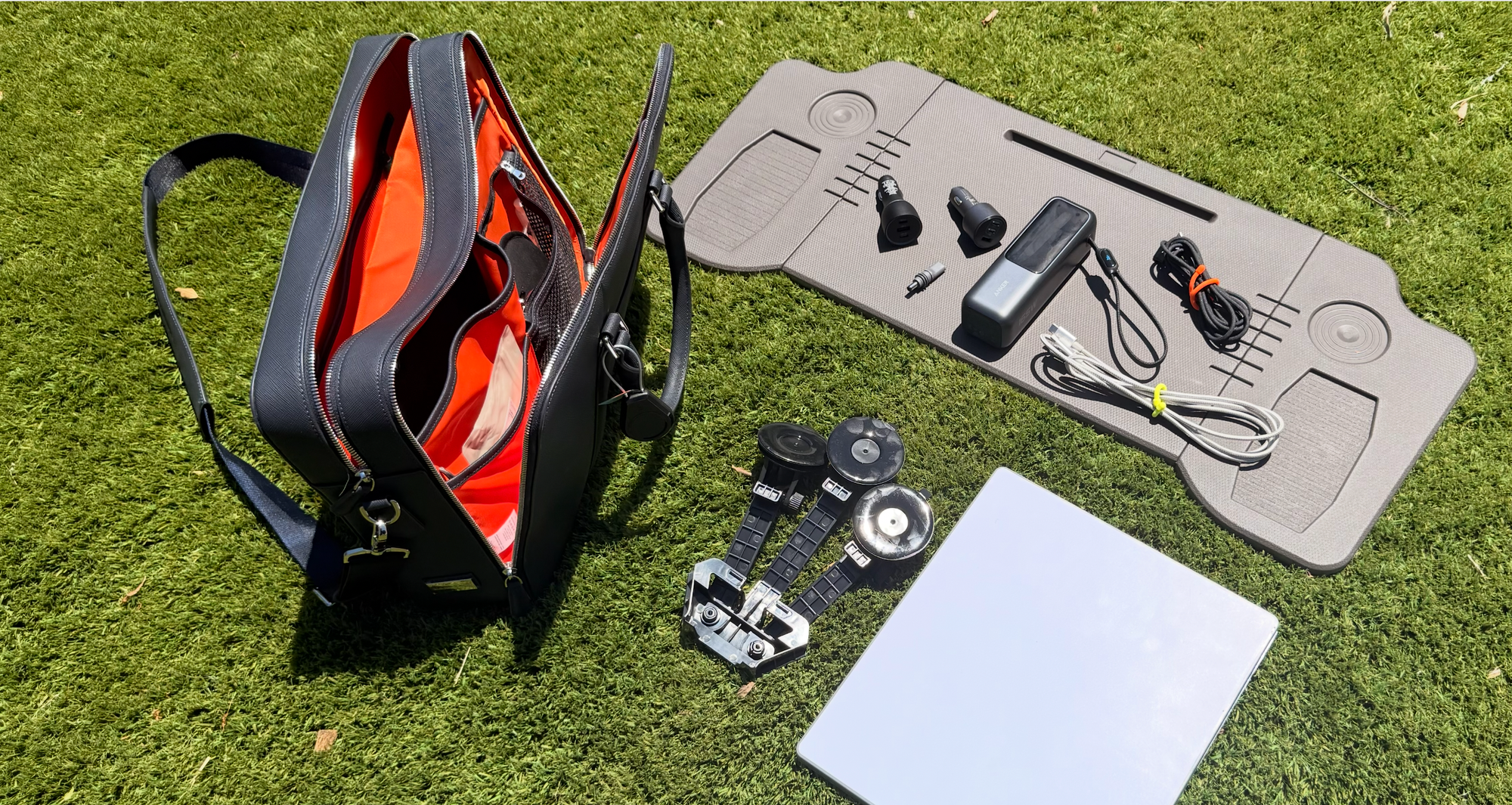
You'll skip the part where you buy three different power banks, watch your Starlink Mini mysteriously shut off after 20 minutes, and waste a weekend troubleshooting voltage issues you didn't know existed. This is the tested combo that just works — briefcase, cables, adapters, and the one mount that won't overheat in summer sun.

You've shipped AI features that users love, but this article exposes the blind spot in your engagement metrics: you might be building digital cotton candy that feels like care but atrophies the human skills your users actually need. It's the mistake you won't catch in your analytics.
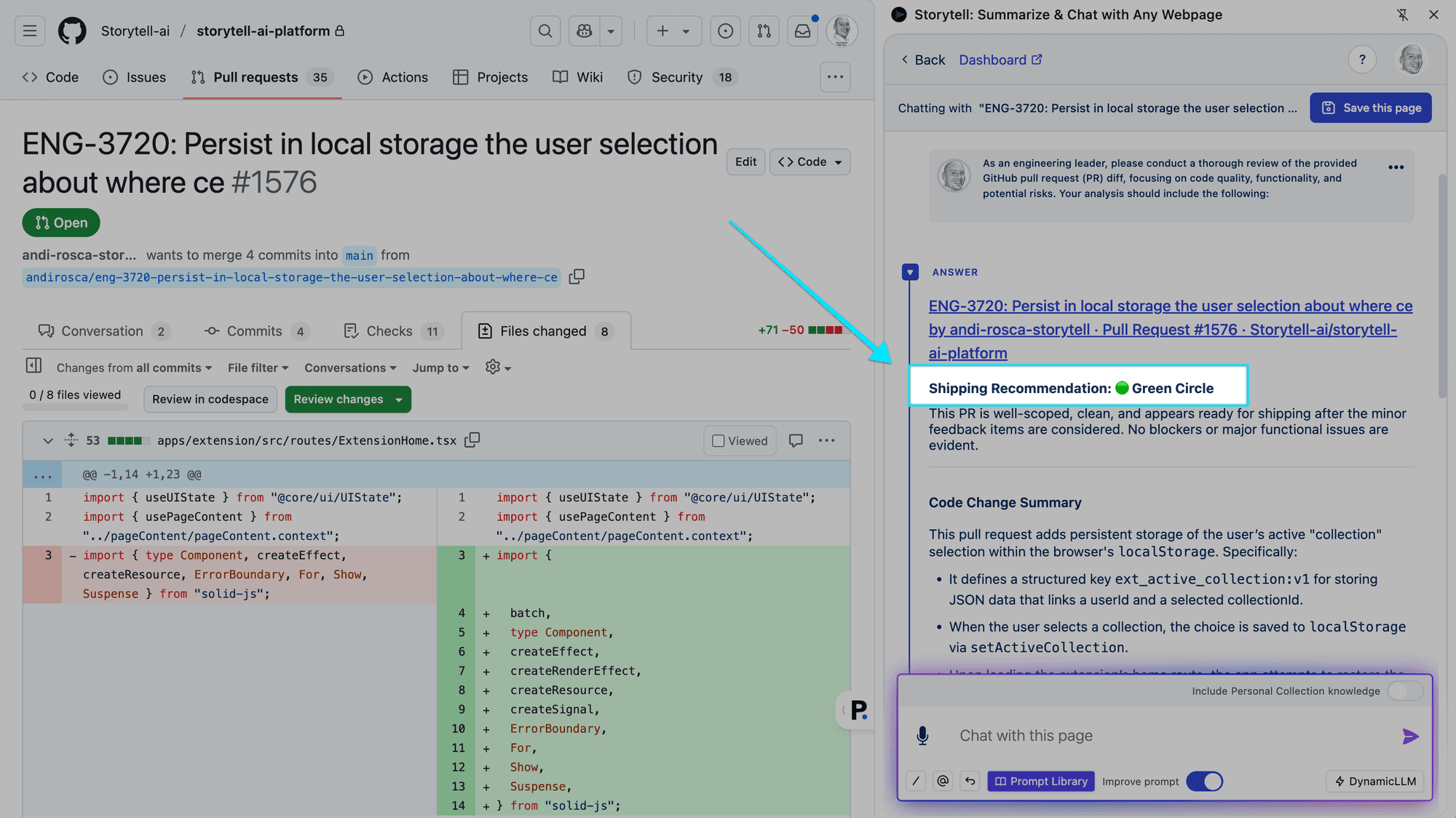
You're probably approving PRs you don't fully understand or avoiding them entirely out of fear—here's how to use AI as a safety net that catches issues you'd miss while keeping your team unblocked.
You've shipped a few AI-generated features but keep hitting walls you can't debug your way out of. This breaks down why that whack-a-mole feeling is universal right now and what's coming next that will either save you or bury you if you don't adapt.

You're probably prototyping in Figma and calling it 'technical enough' — this shows you how to skip straight to functional code you can hand to engineers as a pull request. You'll learn why ping-ponging between Cursor and Windsurf gets you unstuck faster than grinding alone in one tool.

You think willpower is your problem, but this breaks down the actual biological volume knob that's been sabotaging you—and the workaround that costs $297/month instead of $1,000 when insurance says no.
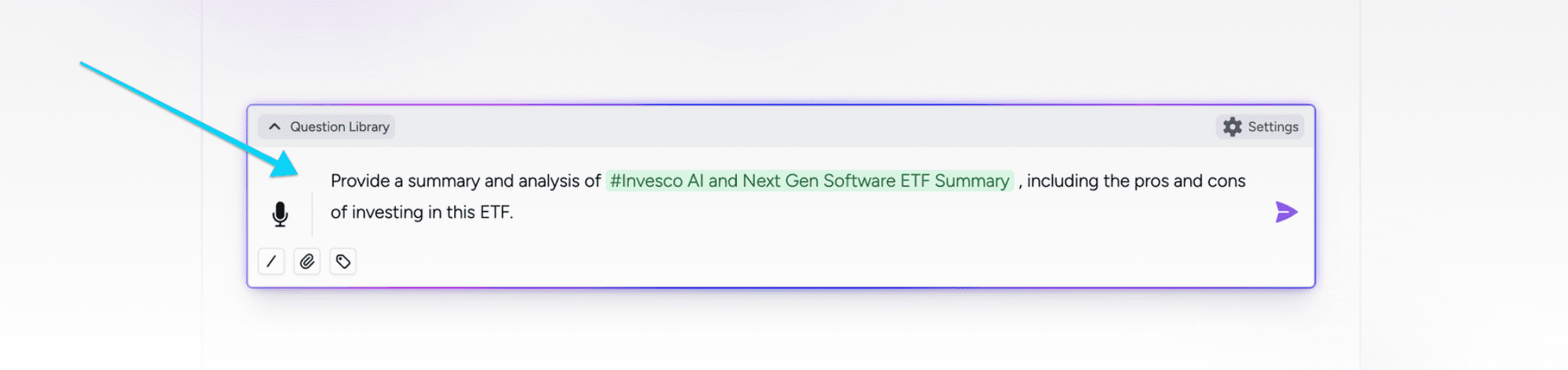
You've probably tried to read a prospectus before and given up halfway through the jargon — this shows you how to use Storytell.ai to extract the actual decision-making insights (fees, risks, turnover) without drowning in legalese. You'll see how to compare three AI ETFs side-by-side and spot the gotchas (like IGPT's 190% turnover rate) that could cost you money.

You're probably blowing deadlines because you're promising 'operating' timelines for work that's actually inventing — and you can't see the difference until it's too late. This breaks down the two modes so you stop under-promising and over-delivering on the wrong things.
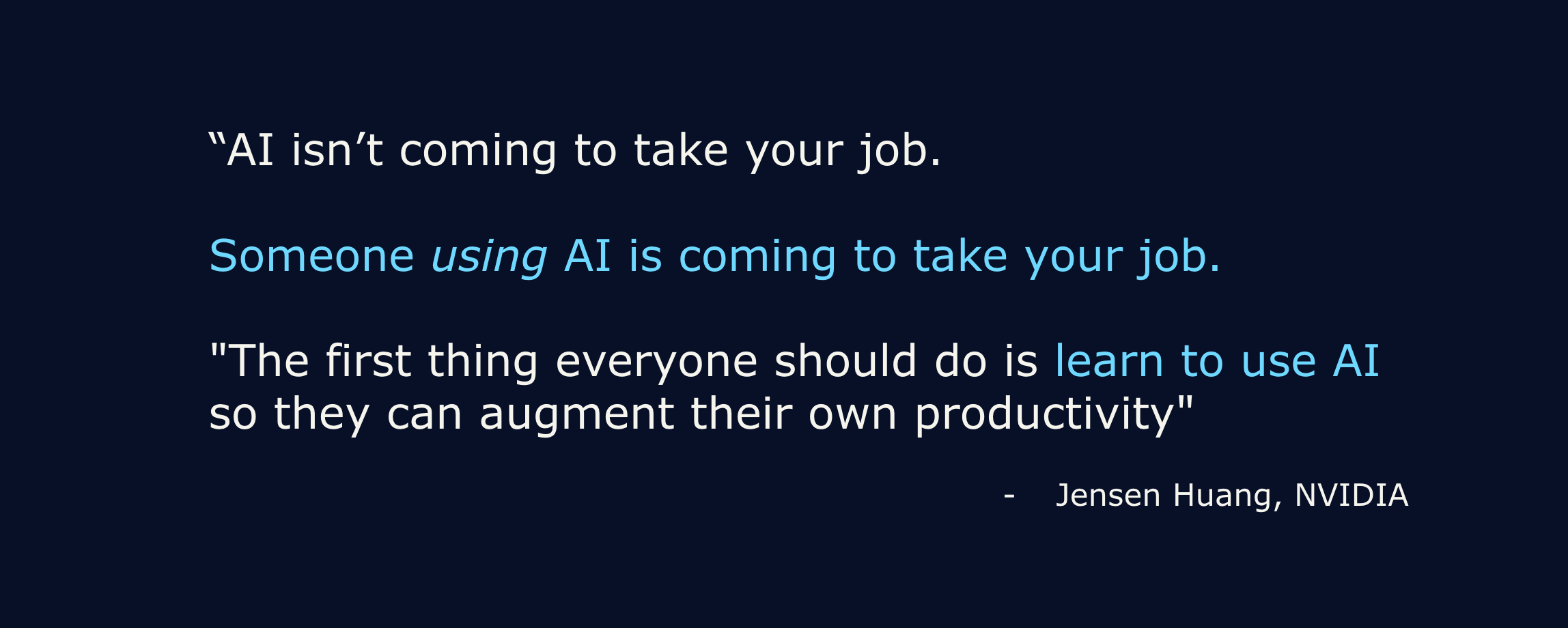
You've dabbled with ChatGPT but haven't built it into your actual workflow, and now you're wondering if you're behind. This lays out a concrete self-assessment for executives: how AI-curious you need to be to stay competitive, and why 'productivity creates prosperity' means the real risk isn't AI taking your job — it's someone else using AI better than you.

You'll discover why your instinct to 'build it right the first time' keeps getting you stuck — this CEO prototypes a van kitchen in cardboard, learns what he got wrong from actual use, and iterates twice before committing to wood. It's the recovery strategy you're missing when your code goes sideways.
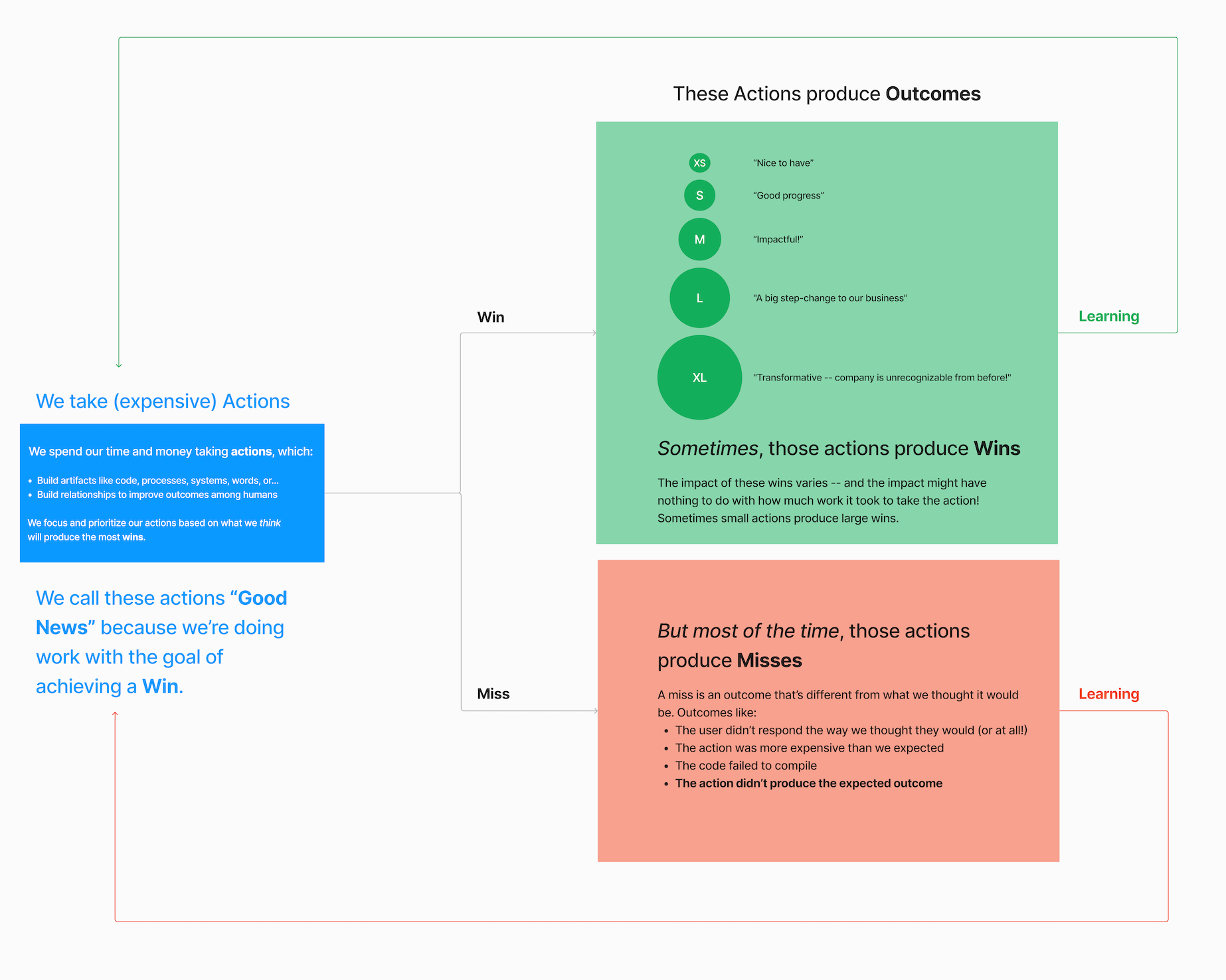
You're probably confusing activity with impact and calling every shipped feature a 'win'—this framework shows you how to measure what actually matters and learn from the 90% of attempts that don't work out.

You'll watch someone make the exact mistake you're probably about to make with a 12V Starlink conversion, then see what they switched to after it failed. This saves you from buying the wrong hardware and having to redo the whole setup.
You've probably started free trials you never finished and ignored 'free tier' emails because the product was crippled — here's why both models fail when companies half-ass them, and what a usage-based trial would actually look like.

You've probably tried automating reviews before and ended up with generic slop that guests ignore—this shows you how to use context from the actual Airbnb page plus a pre-stay survey to generate drafts so specific (mentioning Brex, AWS, backyard docks) that guests actually post them verbatim. The trick is the Chrome extension reading page content, not just prompting into the void.

You've probably set goals that felt inspiring but didn't translate into daily decisions. This breaks down how Storytell uses Vision/Mission/Strategy to align every choice — and introduces the North Star Metric that tells you if you're actually making progress or just spinning your wheels.

You're probably building too much before validating—this shows you how to catch failed ideas earlier by shipping prototypes instead of code, then actually measuring user reactions instead of guessing. It's the feedback loop you keep skipping that leaves you stuck rebuilding.

You'll learn why you keep bouncing back to the same weight no matter what you try—it's called "set point," and your brain defends it harder than you can fight it—and see one person's transparent attempt to override it by fasting every other day for a year. The payoff: understanding the neuroscience behind why willpower fails you, plus the surprisingly strong research on fasting that might give you a real lever instead of another failed diet.

You've heard about solar and Starlink separately, but this connects the dots on why combining them with remote work actually makes location-independent living practical by 2025, not just aspirational.

You think you're good at saying yes to your kids, but this framework reveals the lazy, fear-driven 'no' reflex you didn't realize was holding both you and them back—plus how fixing it forces you to level up as a human.

You've burned out trying to code 12-hour days and wondered why you hit walls — DROdio's rowing challenge reveals what overconfident builders miss: consistent, low-impact exercise that doesn't wreck your joints gives you the stamina to debug for hours without mental fog. The 30-minutes-a-day breakdown is the same forcing function that turns sloppy PRs into clean commits.

You've probably tried cobbling together a remote workspace and hit a wall with power or internet reliability—this shows you the modular solar and wireless bridge setup that actually works, including the wiring tricks and specific gear that prevent the frustrating dead zones and dropouts you've battled before.
You think remote work means your couch, but this CEO ran Armory from a van on a cross-country trip—and Inc. Magazine profiled how he pulled it off without his company falling apart. You'll see what infrastructure actually matters when you strip everything else away.
You'll see the messy reality of building live: the typos, the 'wait, why isn't this working?' moments, and how to recover when things go sideways — which is exactly what happens when you're coding solo.
You've probably skipped writing PRDs and jumped straight to prompting — this shows you why that's been causing your builds to go sideways, and introduces Chief, a tool that structures your vibe coding so you stop getting stuck mid-project.
You're probably spinning up parallel agents to go faster, but today's collisions — duplicate work and a repo-blocking 170MB file — show exactly how that speed becomes a coordination nightmare you have to untangle.
You've been eyeing Pinecone because 'vector search' sounds like the move, but you're about to waste money and add complexity for a problem you haven't actually measured. This stops you before you paint yourself into that corner.
You've probably hit that wall where your AI solution worked perfectly in testing but failed mysteriously in production—that's jagged intelligence biting you. This breaks down the four zones where AI is superhuman versus subhuman, so you can stop getting blindsided by its weird failure modes.
You've hit that wall where the AI did the work but you're not sure if you can claim it—this walks you through how slide rule engineers, typists, and architects faced the same crisis and realized the tool wasn't doing their job, just the tedious parts. You'll stop second-guessing whether you're 'really' building.
You've dabbled in quantum computing concepts and thrown around words like 'superposition,' but you've never connected them to why consciousness feels so slippery to pin down. This article walks you through the actual measurement problem physicists still can't solve and shows you how your brain might be doing quantum-to-classical translation—a mental model that'll change how you think about both AI and your own awareness.
You've probably tried to turn engineering work into marketing content and ended up with either jargon soup or watered-down fluff. This shows you the exact prompts and workflow to extract authentic stories from Linear tickets without needing to decode what the engineers actually did.
You'll skip the part where you buy three different power banks, watch your Starlink Mini mysteriously shut off after 20 minutes, and waste a weekend troubleshooting voltage issues you didn't know existed. This is the tested combo that just works — briefcase, cables, adapters, and the one mount that won't overheat in summer sun.
You've shipped AI features that users love, but this article exposes the blind spot in your engagement metrics: you might be building digital cotton candy that feels like care but atrophies the human skills your users actually need. It's the mistake you won't catch in your analytics.
You're probably approving PRs you don't fully understand or avoiding them entirely out of fear—here's how to use AI as a safety net that catches issues you'd miss while keeping your team unblocked.
You've shipped a few AI-generated features but keep hitting walls you can't debug your way out of. This breaks down why that whack-a-mole feeling is universal right now and what's coming next that will either save you or bury you if you don't adapt.
You're probably prototyping in Figma and calling it 'technical enough' — this shows you how to skip straight to functional code you can hand to engineers as a pull request. You'll learn why ping-ponging between Cursor and Windsurf gets you unstuck faster than grinding alone in one tool.
You think willpower is your problem, but this breaks down the actual biological volume knob that's been sabotaging you—and the workaround that costs $297/month instead of $1,000 when insurance says no.
You've probably tried to read a prospectus before and given up halfway through the jargon — this shows you how to use Storytell.ai to extract the actual decision-making insights (fees, risks, turnover) without drowning in legalese. You'll see how to compare three AI ETFs side-by-side and spot the gotchas (like IGPT's 190% turnover rate) that could cost you money.
You're probably blowing deadlines because you're promising 'operating' timelines for work that's actually inventing — and you can't see the difference until it's too late. This breaks down the two modes so you stop under-promising and over-delivering on the wrong things.
You've dabbled with ChatGPT but haven't built it into your actual workflow, and now you're wondering if you're behind. This lays out a concrete self-assessment for executives: how AI-curious you need to be to stay competitive, and why 'productivity creates prosperity' means the real risk isn't AI taking your job — it's someone else using AI better than you.
You'll discover why your instinct to 'build it right the first time' keeps getting you stuck — this CEO prototypes a van kitchen in cardboard, learns what he got wrong from actual use, and iterates twice before committing to wood. It's the recovery strategy you're missing when your code goes sideways.
You're probably confusing activity with impact and calling every shipped feature a 'win'—this framework shows you how to measure what actually matters and learn from the 90% of attempts that don't work out.
You'll watch someone make the exact mistake you're probably about to make with a 12V Starlink conversion, then see what they switched to after it failed. This saves you from buying the wrong hardware and having to redo the whole setup.
You've probably started free trials you never finished and ignored 'free tier' emails because the product was crippled — here's why both models fail when companies half-ass them, and what a usage-based trial would actually look like.
You've probably tried automating reviews before and ended up with generic slop that guests ignore—this shows you how to use context from the actual Airbnb page plus a pre-stay survey to generate drafts so specific (mentioning Brex, AWS, backyard docks) that guests actually post them verbatim. The trick is the Chrome extension reading page content, not just prompting into the void.
You've probably set goals that felt inspiring but didn't translate into daily decisions. This breaks down how Storytell uses Vision/Mission/Strategy to align every choice — and introduces the North Star Metric that tells you if you're actually making progress or just spinning your wheels.
You're probably building too much before validating—this shows you how to catch failed ideas earlier by shipping prototypes instead of code, then actually measuring user reactions instead of guessing. It's the feedback loop you keep skipping that leaves you stuck rebuilding.
You'll learn why you keep bouncing back to the same weight no matter what you try—it's called "set point," and your brain defends it harder than you can fight it—and see one person's transparent attempt to override it by fasting every other day for a year. The payoff: understanding the neuroscience behind why willpower fails you, plus the surprisingly strong research on fasting that might give you a real lever instead of another failed diet.
You've heard about solar and Starlink separately, but this connects the dots on why combining them with remote work actually makes location-independent living practical by 2025, not just aspirational.
You think you're good at saying yes to your kids, but this framework reveals the lazy, fear-driven 'no' reflex you didn't realize was holding both you and them back—plus how fixing it forces you to level up as a human.
You've burned out trying to code 12-hour days and wondered why you hit walls — DROdio's rowing challenge reveals what overconfident builders miss: consistent, low-impact exercise that doesn't wreck your joints gives you the stamina to debug for hours without mental fog. The 30-minutes-a-day breakdown is the same forcing function that turns sloppy PRs into clean commits.
You've probably tried cobbling together a remote workspace and hit a wall with power or internet reliability—this shows you the modular solar and wireless bridge setup that actually works, including the wiring tricks and specific gear that prevent the frustrating dead zones and dropouts you've battled before.
You think remote work means your couch, but this CEO ran Armory from a van on a cross-country trip—and Inc. Magazine profiled how he pulled it off without his company falling apart. You'll see what infrastructure actually matters when you strip everything else away.