Building DROdio.com, live
You'll see the messy reality of building live: the typos, the 'wait, why isn't this working?' moments, and how to recover when things go sideways — which is exactly what happens when you're coding solo.
Explore Daniel R. Odio’s writing, videos, lessons, and shipped work about Developers.
27 items
You'll see the messy reality of building live: the typos, the 'wait, why isn't this working?' moments, and how to recover when things go sideways — which is exactly what happens when you're coding solo.
You've probably skipped writing PRDs and jumped straight to prompting — this shows you why that's been causing your builds to go sideways, and introduces Chief, a tool that structures your vibe coding so you stop getting stuck mid-project.

You've probably tried to turn engineering work into marketing content and ended up with either jargon soup or watered-down fluff. This shows you the exact prompts and workflow to extract authentic stories from Linear tickets without needing to decode what the engineers actually did.
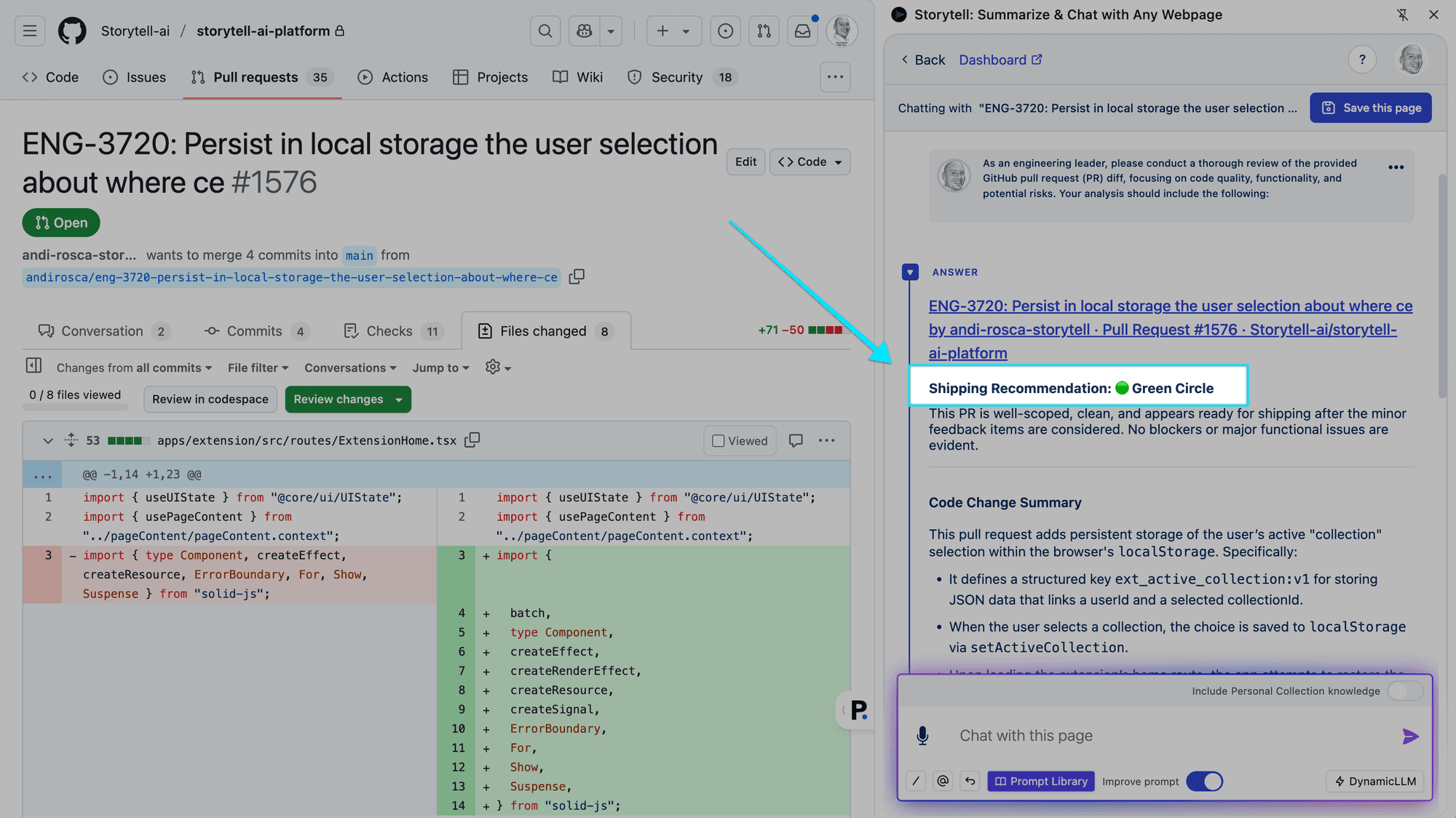
You're probably approving PRs you don't fully understand or avoiding them entirely out of fear—here's how to use AI as a safety net that catches issues you'd miss while keeping your team unblocked.
You've shipped a few AI-generated features but keep hitting walls you can't debug your way out of. This breaks down why that whack-a-mole feeling is universal right now and what's coming next that will either save you or bury you if you don't adapt.

You're probably prototyping in Figma and calling it 'technical enough' — this shows you how to skip straight to functional code you can hand to engineers as a pull request. You'll learn why ping-ponging between Cursor and Windsurf gets you unstuck faster than grinding alone in one tool.

You're probably betting on Android because 'everyone uses it,' but this report reveals why 60% of app developers earn under $500/month and how iOS's smaller user base generates 10x the revenue. Understanding these economics now will save you from building on the wrong platform and wondering why nobody's paying.

You'll learn how dSky9 reverse-engineered Google Glass by putting it in debug mode and dropping .apk files directly onto the device — no official SDK, just resourcefulness. This is the exact mindset that gets you unstuck when the docs don't exist yet.

You've interrupted developers with 'quick questions' and wondered why they seem annoyed. This explains the scuba-diving nature of deep work you keep breaking, why your assumptions about coding difficulty are wrong, and how even basic scripting skills will multiply your effectiveness in ways you haven't considered.

You've probably avoided live chat because you assume it'll drown you in spam or require custom integration work. This CEO plugged in Olark, tied it to Gtalk, and now fields high-value customer conversations without leaving his existing workflow—here's why that setup actually works.

You've probably worried about accidentally infringing on some vague patent when you build, and this shows you're right to worry—even patent examiners can't search existing patents properly. The key takeaway: experts want patents to require actual code, not just 'I have an idea,' which would save you from getting sued over something you independently built.

You've built something cool and assume developers will just find it, but crickets. This reveals why your Product Hunt launch and blog posts aren't working and what actually converts technical users into customers.

You've copy-pasted API keys and fumbled through documentation, but you've never really understood why APIs are structured the way they are or what problem they're actually solving. This post uses a real Census Bureau API example to show you what each part of that intimidating URL string actually does — so next time you're debugging a failed request, you'll know exactly where to look.

You've probably spun up some AWS instances and called it 'scalable,' but this shows how Socialize's team treats internal APIs like products with real customers, uses short-cycle scrum to avoid the premature design rabbit holes you keep falling into, and automates infrastructure changes that take you hours of manual work. The 'teams as customers of each other' model alone will save you from your next integration nightmare.

You'll learn how Socialize designed their SDK to prevent the exact integration mistakes you've probably made—focusing on the API decisions that keep developers from getting stuck. This breaks down what rapid adoption actually looks like and why certain design choices make or break developer experience.

You've probably been throwing marketing effort at the wrong audience—this shows why defining your actual adoption goals first (like targeting apps with 500K+ downloads vs. hackathon hobbyists) changes everything you do. The hand-drawn banner trick that tripled clicks is nice, but the real lesson is about not wasting budget on vanity metrics that don't move your needle.

You're probably flying blind when your code breaks in production — this shows you how a 10-person team uses log analysis and continuous integration to catch failures instantly instead of scrambling after the fact. The flashing red light isn't cute; it's the difference between fixing issues in seconds versus hours.

You think APIs are just REST endpoints, but Qualcomm is exposing hardware-software integration as developer services—this interview shows you what that actually means and why a startup founder inside a giant corp thinks it matters for your building velocity.

You've shipped an app but nobody's downloading it, and this panel breaks down the distribution and financing strategies that separate apps that scale from apps that stall — including mistakes you're probably making right now with marketing and monetization.

You're probably working from home or a generic WeWork, but this tour shows you a 3-floor SF space with coworking, private offices, and a hostel option — useful if you're considering where to plant roots or need to know what serious builders' environments actually look like.

You get a front-row seat to how experienced iOS developers present their work and handle technical questions — the kind of real-world problem-solving you don't see in tutorials. If you've been stuck figuring out how to level up beyond basic apps, watching how these developers think through challenges might unstick you.

You think you get mobile, but this 2010 keynote reveals the sensors and capabilities that became the building blocks you now take for granted — and understanding where they came from helps you avoid building like it's still 2009. Jobs called the wave before it hit; knowing what mattered then sharpens what you prioritize now.

You've probably jumped into building without really understanding whether native or web was the right call for your project—and paid for it later. This panel walks through the actual trade-offs and common mistakes (14 of them) so you can avoid rebuilding from scratch when your approach hits a wall.

You've probably killed your app's battery life without realizing it — this meetup recap surfaces the energy-consumption traps that bite mobile developers and shows you the AR implementation choices you'll face when you try to build something visual.

You think you're building cutting-edge stuff, but this 2009 panel shows how even 'revolutionary' platforms (remember widgets?) fade fast — what matters is the fundamentals of custom development and solving real client problems. Notice how the successful play was doing both client work AND building reusable tools, not betting everything on one trendy platform.

You've probably built a checkout form and asked for card type because every example does — but this breaks down why that's cargo-cult coding and how to auto-detect it instead. It's a wake-up call about the real cost of copying patterns without questioning them, especially when you're stuck debugging someone else's lazy choices.
You'll see the messy reality of building live: the typos, the 'wait, why isn't this working?' moments, and how to recover when things go sideways — which is exactly what happens when you're coding solo.
You've probably skipped writing PRDs and jumped straight to prompting — this shows you why that's been causing your builds to go sideways, and introduces Chief, a tool that structures your vibe coding so you stop getting stuck mid-project.
You've probably tried to turn engineering work into marketing content and ended up with either jargon soup or watered-down fluff. This shows you the exact prompts and workflow to extract authentic stories from Linear tickets without needing to decode what the engineers actually did.
You're probably approving PRs you don't fully understand or avoiding them entirely out of fear—here's how to use AI as a safety net that catches issues you'd miss while keeping your team unblocked.
You've shipped a few AI-generated features but keep hitting walls you can't debug your way out of. This breaks down why that whack-a-mole feeling is universal right now and what's coming next that will either save you or bury you if you don't adapt.
You're probably prototyping in Figma and calling it 'technical enough' — this shows you how to skip straight to functional code you can hand to engineers as a pull request. You'll learn why ping-ponging between Cursor and Windsurf gets you unstuck faster than grinding alone in one tool.
You're probably betting on Android because 'everyone uses it,' but this report reveals why 60% of app developers earn under $500/month and how iOS's smaller user base generates 10x the revenue. Understanding these economics now will save you from building on the wrong platform and wondering why nobody's paying.
You'll learn how dSky9 reverse-engineered Google Glass by putting it in debug mode and dropping .apk files directly onto the device — no official SDK, just resourcefulness. This is the exact mindset that gets you unstuck when the docs don't exist yet.
You've interrupted developers with 'quick questions' and wondered why they seem annoyed. This explains the scuba-diving nature of deep work you keep breaking, why your assumptions about coding difficulty are wrong, and how even basic scripting skills will multiply your effectiveness in ways you haven't considered.
You've probably avoided live chat because you assume it'll drown you in spam or require custom integration work. This CEO plugged in Olark, tied it to Gtalk, and now fields high-value customer conversations without leaving his existing workflow—here's why that setup actually works.
You've probably worried about accidentally infringing on some vague patent when you build, and this shows you're right to worry—even patent examiners can't search existing patents properly. The key takeaway: experts want patents to require actual code, not just 'I have an idea,' which would save you from getting sued over something you independently built.
You've built something cool and assume developers will just find it, but crickets. This reveals why your Product Hunt launch and blog posts aren't working and what actually converts technical users into customers.
You've copy-pasted API keys and fumbled through documentation, but you've never really understood why APIs are structured the way they are or what problem they're actually solving. This post uses a real Census Bureau API example to show you what each part of that intimidating URL string actually does — so next time you're debugging a failed request, you'll know exactly where to look.
You've probably spun up some AWS instances and called it 'scalable,' but this shows how Socialize's team treats internal APIs like products with real customers, uses short-cycle scrum to avoid the premature design rabbit holes you keep falling into, and automates infrastructure changes that take you hours of manual work. The 'teams as customers of each other' model alone will save you from your next integration nightmare.
You'll learn how Socialize designed their SDK to prevent the exact integration mistakes you've probably made—focusing on the API decisions that keep developers from getting stuck. This breaks down what rapid adoption actually looks like and why certain design choices make or break developer experience.
You've probably been throwing marketing effort at the wrong audience—this shows why defining your actual adoption goals first (like targeting apps with 500K+ downloads vs. hackathon hobbyists) changes everything you do. The hand-drawn banner trick that tripled clicks is nice, but the real lesson is about not wasting budget on vanity metrics that don't move your needle.
You're probably flying blind when your code breaks in production — this shows you how a 10-person team uses log analysis and continuous integration to catch failures instantly instead of scrambling after the fact. The flashing red light isn't cute; it's the difference between fixing issues in seconds versus hours.
You think APIs are just REST endpoints, but Qualcomm is exposing hardware-software integration as developer services—this interview shows you what that actually means and why a startup founder inside a giant corp thinks it matters for your building velocity.
You've shipped an app but nobody's downloading it, and this panel breaks down the distribution and financing strategies that separate apps that scale from apps that stall — including mistakes you're probably making right now with marketing and monetization.
You're probably working from home or a generic WeWork, but this tour shows you a 3-floor SF space with coworking, private offices, and a hostel option — useful if you're considering where to plant roots or need to know what serious builders' environments actually look like.
You get a front-row seat to how experienced iOS developers present their work and handle technical questions — the kind of real-world problem-solving you don't see in tutorials. If you've been stuck figuring out how to level up beyond basic apps, watching how these developers think through challenges might unstick you.
You think you get mobile, but this 2010 keynote reveals the sensors and capabilities that became the building blocks you now take for granted — and understanding where they came from helps you avoid building like it's still 2009. Jobs called the wave before it hit; knowing what mattered then sharpens what you prioritize now.
You've probably jumped into building without really understanding whether native or web was the right call for your project—and paid for it later. This panel walks through the actual trade-offs and common mistakes (14 of them) so you can avoid rebuilding from scratch when your approach hits a wall.
You've probably killed your app's battery life without realizing it — this meetup recap surfaces the energy-consumption traps that bite mobile developers and shows you the AR implementation choices you'll face when you try to build something visual.
You think you're building cutting-edge stuff, but this 2009 panel shows how even 'revolutionary' platforms (remember widgets?) fade fast — what matters is the fundamentals of custom development and solving real client problems. Notice how the successful play was doing both client work AND building reusable tools, not betting everything on one trendy platform.
You've probably built a checkout form and asked for card type because every example does — but this breaks down why that's cargo-cult coding and how to auto-detect it instead. It's a wake-up call about the real cost of copying patterns without questioning them, especially when you're stuck debugging someone else's lazy choices.