
Surrendering to Ozempic
You think willpower is your problem, but this breaks down the actual biological volume knob that's been sabotaging you—and the workaround that costs $297/month instead of $1,000 when insurance says no.
Explore Daniel R. Odio’s writing, videos, lessons, and shipped work about Health.
20 items
You think willpower is your problem, but this breaks down the actual biological volume knob that's been sabotaging you—and the workaround that costs $297/month instead of $1,000 when insurance says no.

You'll learn why you keep bouncing back to the same weight no matter what you try—it's called "set point," and your brain defends it harder than you can fight it—and see one person's transparent attempt to override it by fasting every other day for a year. The payoff: understanding the neuroscience behind why willpower fails you, plus the surprisingly strong research on fasting that might give you a real lever instead of another failed diet.

You've burned out trying to code 12-hour days and wondered why you hit walls — DROdio's rowing challenge reveals what overconfident builders miss: consistent, low-impact exercise that doesn't wreck your joints gives you the stamina to debug for hours without mental fog. The 30-minutes-a-day breakdown is the same forcing function that turns sloppy PRs into clean commits.

You think you're good at reading the room, but this breaks down how genetic differences actually affect empathy and stress response—so you can stop assuming everyone processes feedback and support the way you do.
You think you get exponential growth, but this walks you through the actual hospital bed math for the Bay Area that shows even with 90% reduction from social distancing, we'd still need 11x more beds in 30 days. The gap between "I understand the concept" and "oh shit, those are real numbers" is sobering.
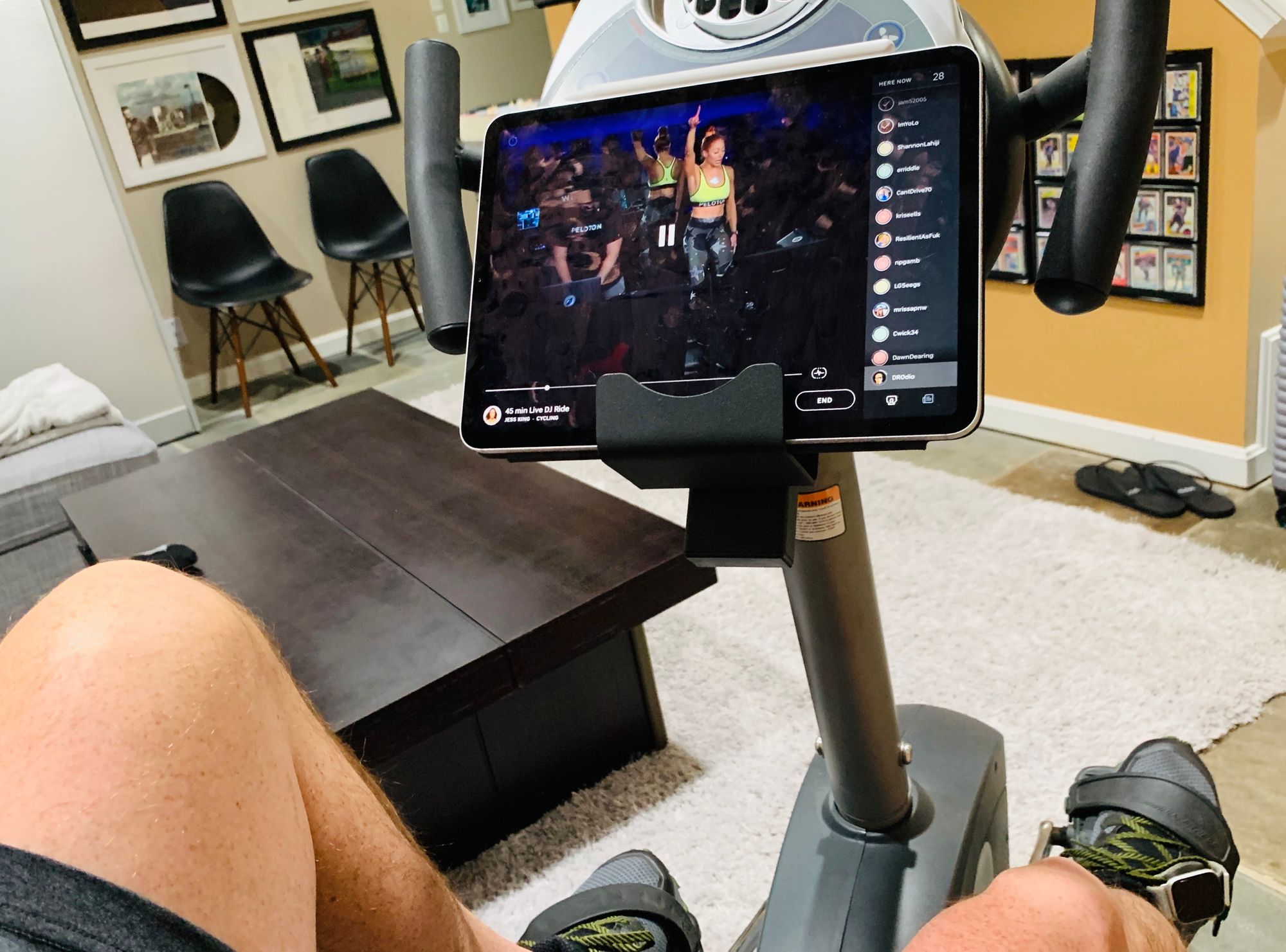
You've heard 'software eats the world' but here's a concrete example: Peloton charges 4x for hardware by nailing the software experience, and DROdio breaks down exactly why that premium sticks. If you're building anything, this is the playbook for how software creates defensible value.
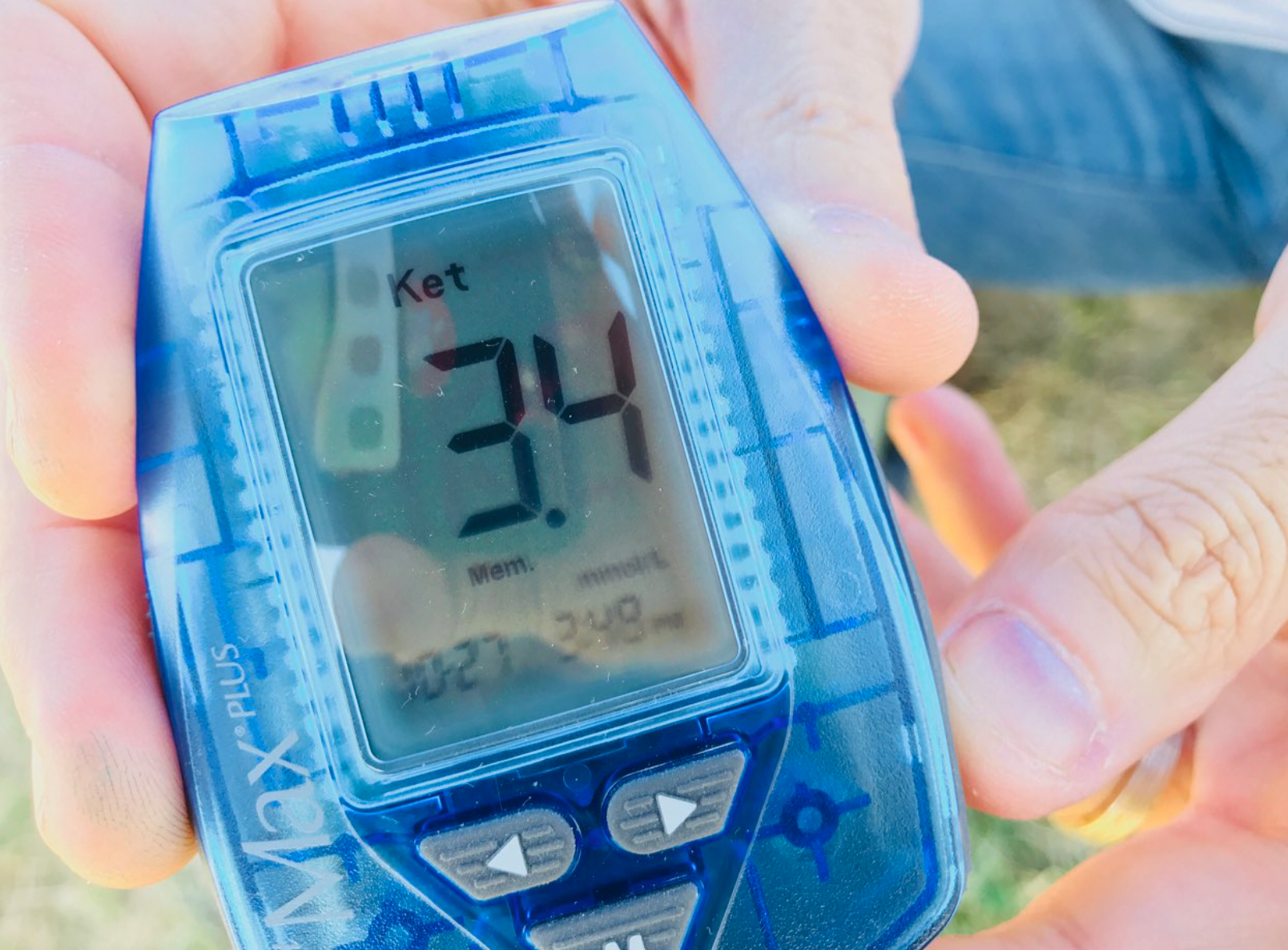
You think you know that saturated fat clogs arteries and high LDL means you're headed for a heart attack—but this two-year experiment with ketosis produced sky-high LDL *and* zero plaque buildup. If you've been avoiding certain foods based on conventional wisdom, this data might flip your entire understanding of what actually causes heart disease.

You've tried a dozen fitness hacks and nothing sticks because you're missing the foundational framework that makes change sustainable. This walks you through the attitude adjustments and prioritization tactics that turn sporadic effort into consistent progress — including how to measure what actually matters instead of chasing vanity metrics.

You've tried eating better and exercising more but your body composition keeps creeping in the wrong direction — this post explains why motivation alone doesn't work and reveals the drastic priority shifts that actually moved the needle.

You think you've got intermittent fasting figured out, but this reveals the metabolic trap you're probably still stuck in—constantly burning glucose while your stored fat just sits there. The author shows how he went from nearly having Metabolic Syndrome to reversing it, and why your current approach might be leaving the most powerful lever untouched.

You've tried diets before and they fizzled out, but this post reveals why fasting succeeded where other approaches failed — including the specific mistakes people make when they try it and the mental shifts that made it sustainable for 13 weeks straight. If you're skeptical that any health change can actually stick, this shows you the framework that made the difference.

You've tried the usual suspects — more workouts, better food choices — but the scale won't budge and you're stuck. This walks through the exact moment someone realized exercise alone wasn't enough and what drastic shift actually moved the needle on weight and triglycerides when everything else failed.

You think you understand the quantified-self movement, but this piece shows you the broader context you're missing: why step-counting devices are just the tip of an iceberg that's about to reshape how you think about data in your own products.
You've probably bought kitchen gear that seemed perfect on Amazon, only to discover a fatal flaw after unboxing. This breaks down exactly where three popular juicers fail in real use — clogging on carrots, wasting expensive organic produce — so you don't waste money on the wrong machine.

You're grinding hard and probably skipping the gym — this is DROdio admitting he let a decade of startup chaos wreck his health, and now he's fixing it before it's too late. The hook: he's applying the same intentionality to his body that you apply to your code, because epigenetics means your habits today shape your kids' biology tomorrow.

You've probably assumed health insurance is straightforward once you hit 25 employees, but this post shows why the standard broker pitches fall apart with contractors, multi-state teams, and people who already have coverage. You'll avoid the trap of picking a plan that looks clean on paper but leaves half your team frustrated.

You've probably tried tracking apps before and abandoned them after a week. This post shows why public accountability and friction-by-design (having to open the app) actually work to change habits—lessons that apply directly to building features users will actually stick with.

You've probably jumped into mobile projects without a clear architecture, and this talk breaks down the mobile pyramid and key terms so you stop confusing layers and can actually plan initiatives that don't collapse halfway through.

You've tried standing desks and pomodoro timers, but you're still choosing between exercise and shipping code. DROdio's recumbent bike setup lets him work and burn 500 calories simultaneously—he even upgraded the rig and fabricated a custom aluminum stand when the first one couldn't handle higher resistance.

You think you know how to research solutions, but this entrepreneur's trick—tracking which small biotech stocks spike to find breakthrough treatments before they're mainstream—will change how you approach any high-stakes problem.
You think willpower is your problem, but this breaks down the actual biological volume knob that's been sabotaging you—and the workaround that costs $297/month instead of $1,000 when insurance says no.
You'll learn why you keep bouncing back to the same weight no matter what you try—it's called "set point," and your brain defends it harder than you can fight it—and see one person's transparent attempt to override it by fasting every other day for a year. The payoff: understanding the neuroscience behind why willpower fails you, plus the surprisingly strong research on fasting that might give you a real lever instead of another failed diet.
You've burned out trying to code 12-hour days and wondered why you hit walls — DROdio's rowing challenge reveals what overconfident builders miss: consistent, low-impact exercise that doesn't wreck your joints gives you the stamina to debug for hours without mental fog. The 30-minutes-a-day breakdown is the same forcing function that turns sloppy PRs into clean commits.
You think you're good at reading the room, but this breaks down how genetic differences actually affect empathy and stress response—so you can stop assuming everyone processes feedback and support the way you do.
You think you get exponential growth, but this walks you through the actual hospital bed math for the Bay Area that shows even with 90% reduction from social distancing, we'd still need 11x more beds in 30 days. The gap between "I understand the concept" and "oh shit, those are real numbers" is sobering.
You've heard 'software eats the world' but here's a concrete example: Peloton charges 4x for hardware by nailing the software experience, and DROdio breaks down exactly why that premium sticks. If you're building anything, this is the playbook for how software creates defensible value.
You think you know that saturated fat clogs arteries and high LDL means you're headed for a heart attack—but this two-year experiment with ketosis produced sky-high LDL *and* zero plaque buildup. If you've been avoiding certain foods based on conventional wisdom, this data might flip your entire understanding of what actually causes heart disease.
You've tried a dozen fitness hacks and nothing sticks because you're missing the foundational framework that makes change sustainable. This walks you through the attitude adjustments and prioritization tactics that turn sporadic effort into consistent progress — including how to measure what actually matters instead of chasing vanity metrics.
You've tried eating better and exercising more but your body composition keeps creeping in the wrong direction — this post explains why motivation alone doesn't work and reveals the drastic priority shifts that actually moved the needle.
You think you've got intermittent fasting figured out, but this reveals the metabolic trap you're probably still stuck in—constantly burning glucose while your stored fat just sits there. The author shows how he went from nearly having Metabolic Syndrome to reversing it, and why your current approach might be leaving the most powerful lever untouched.
You've tried diets before and they fizzled out, but this post reveals why fasting succeeded where other approaches failed — including the specific mistakes people make when they try it and the mental shifts that made it sustainable for 13 weeks straight. If you're skeptical that any health change can actually stick, this shows you the framework that made the difference.
You've tried the usual suspects — more workouts, better food choices — but the scale won't budge and you're stuck. This walks through the exact moment someone realized exercise alone wasn't enough and what drastic shift actually moved the needle on weight and triglycerides when everything else failed.
You think you understand the quantified-self movement, but this piece shows you the broader context you're missing: why step-counting devices are just the tip of an iceberg that's about to reshape how you think about data in your own products.
You've probably bought kitchen gear that seemed perfect on Amazon, only to discover a fatal flaw after unboxing. This breaks down exactly where three popular juicers fail in real use — clogging on carrots, wasting expensive organic produce — so you don't waste money on the wrong machine.
You're grinding hard and probably skipping the gym — this is DROdio admitting he let a decade of startup chaos wreck his health, and now he's fixing it before it's too late. The hook: he's applying the same intentionality to his body that you apply to your code, because epigenetics means your habits today shape your kids' biology tomorrow.
You've probably assumed health insurance is straightforward once you hit 25 employees, but this post shows why the standard broker pitches fall apart with contractors, multi-state teams, and people who already have coverage. You'll avoid the trap of picking a plan that looks clean on paper but leaves half your team frustrated.
You've probably tried tracking apps before and abandoned them after a week. This post shows why public accountability and friction-by-design (having to open the app) actually work to change habits—lessons that apply directly to building features users will actually stick with.
You've probably jumped into mobile projects without a clear architecture, and this talk breaks down the mobile pyramid and key terms so you stop confusing layers and can actually plan initiatives that don't collapse halfway through.
You've tried standing desks and pomodoro timers, but you're still choosing between exercise and shipping code. DROdio's recumbent bike setup lets him work and burn 500 calories simultaneously—he even upgraded the rig and fabricated a custom aluminum stand when the first one couldn't handle higher resistance.
You think you know how to research solutions, but this entrepreneur's trick—tracking which small biotech stocks spike to find breakthrough treatments before they're mainstream—will change how you approach any high-stakes problem.