DROdio.com

Content I’ve written for
Go-to-Market Strategy

Practical writing, videos, lessons, and shipped work from Daniel R. Odio, selected for Go-to-Market Strategy.

98 items

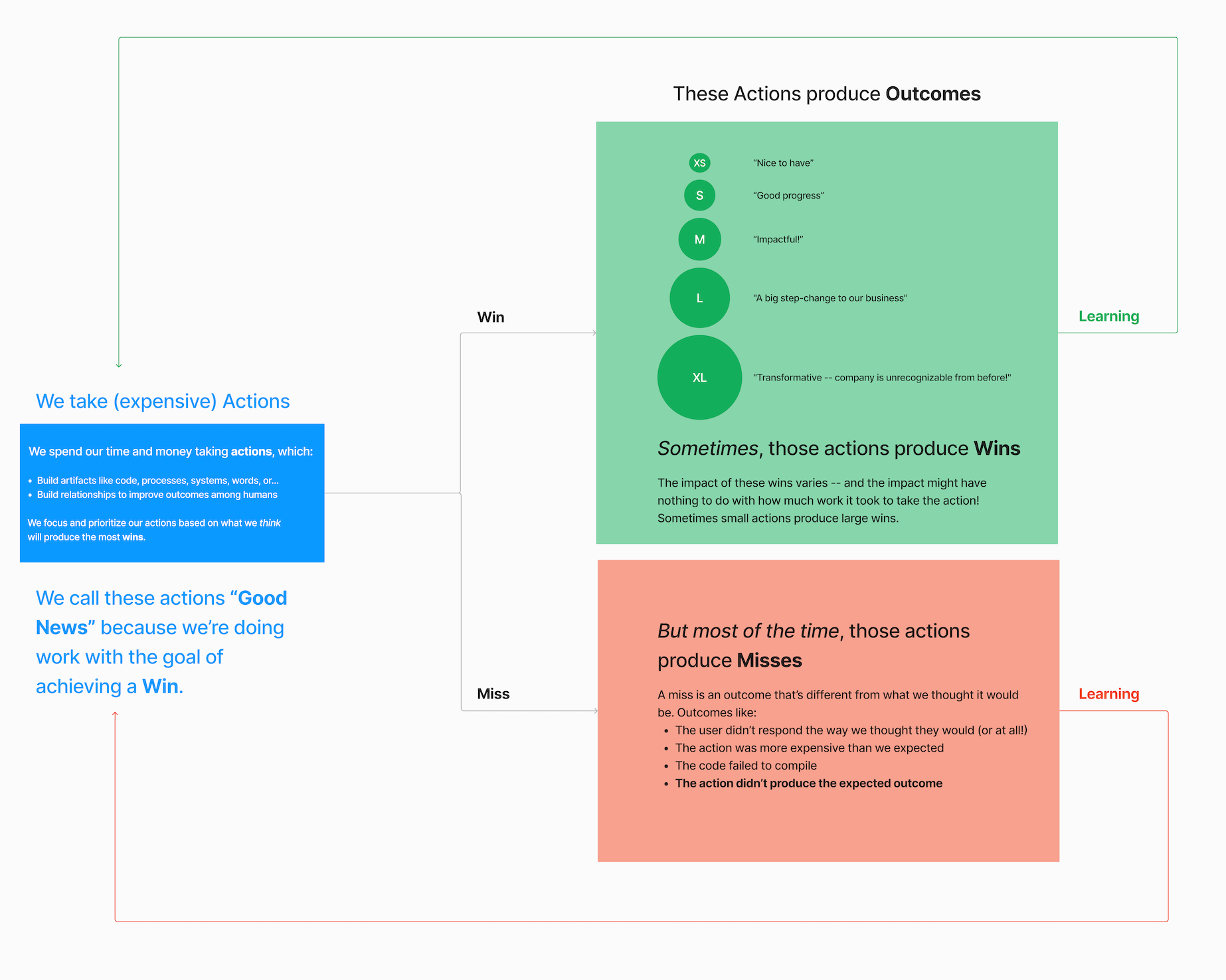
My Peloton First Ride — and its Implications for the Fitness Industry

You've heard 'software eats the world' but here's a concrete example: Peloton charges 4x for hardware by nailing the software experience, and DROdio breaks down exactly why that premium sticks. If you're building anything, this is the playbook for how software creates defensible value.


Illustration for Software dominates industries like the fire-breathing dragons in Game of Thrones

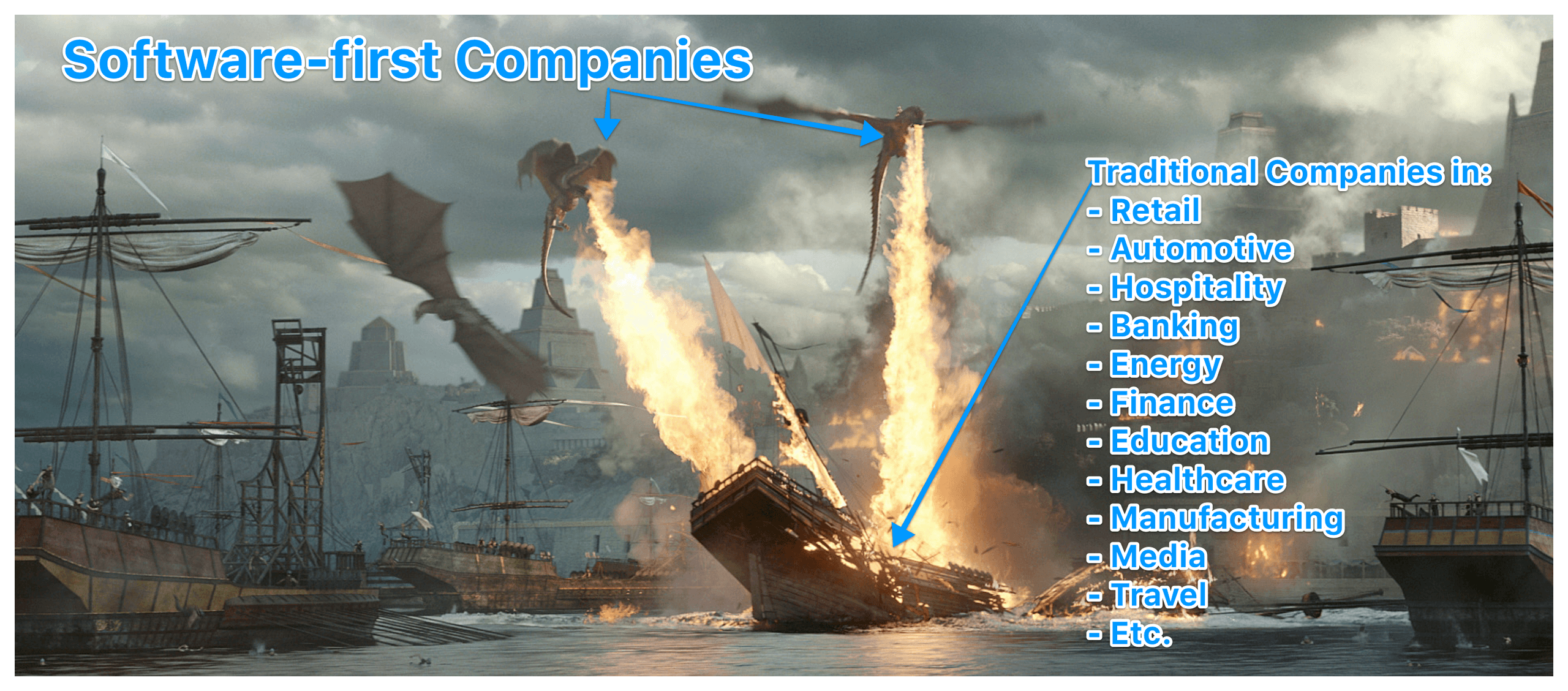
Software dominates industries like the fire-breathing dragons in Game of Thrones

You're building features, but this shows why that's not enough—Amazon uses software to subsidize entire industries and strangle competitors who can't. You'll understand the difference between 'having software' and 'being a software company,' which is probably the gap between your current projects and actual leverage.

Illustration for Software dominates industries like the fire breathing dragons in Game of Thrones

Software dominates industries like the fire breathing dragons in Game of Thrones

You think digital transformation means adding an app or a website, but this breaks down why Kodak—who literally invented the digital camera—still went bankrupt. Amazon's Whole Foods play shows how software-first companies use one business to fund scorched-earth dominance in another, and your half-baked digital initiatives won't save you from that.

Illustration for Marketing Your Startup by Giving Out Stock Options

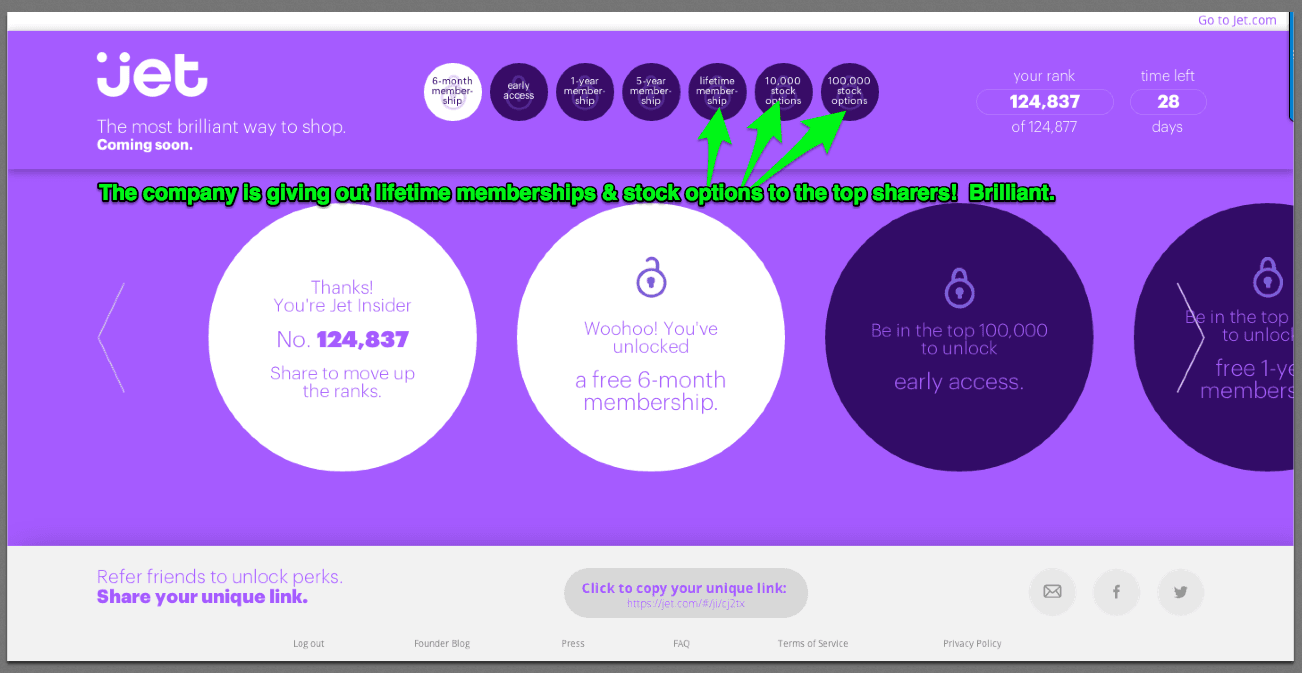
Marketing Your Startup by Giving Out Stock Options

You've probably thought about gamifying your own product's launch, but this breakdown shows you exactly where the 'stock options as rewards' trick falls apart—and why you need to ask about total shares and strike price before you get swept up in your own hype. It's the gotcha that separates real incentives from marketing theater.

Illustration for Matter: Powering the Next Generation of Breakout Media Companies

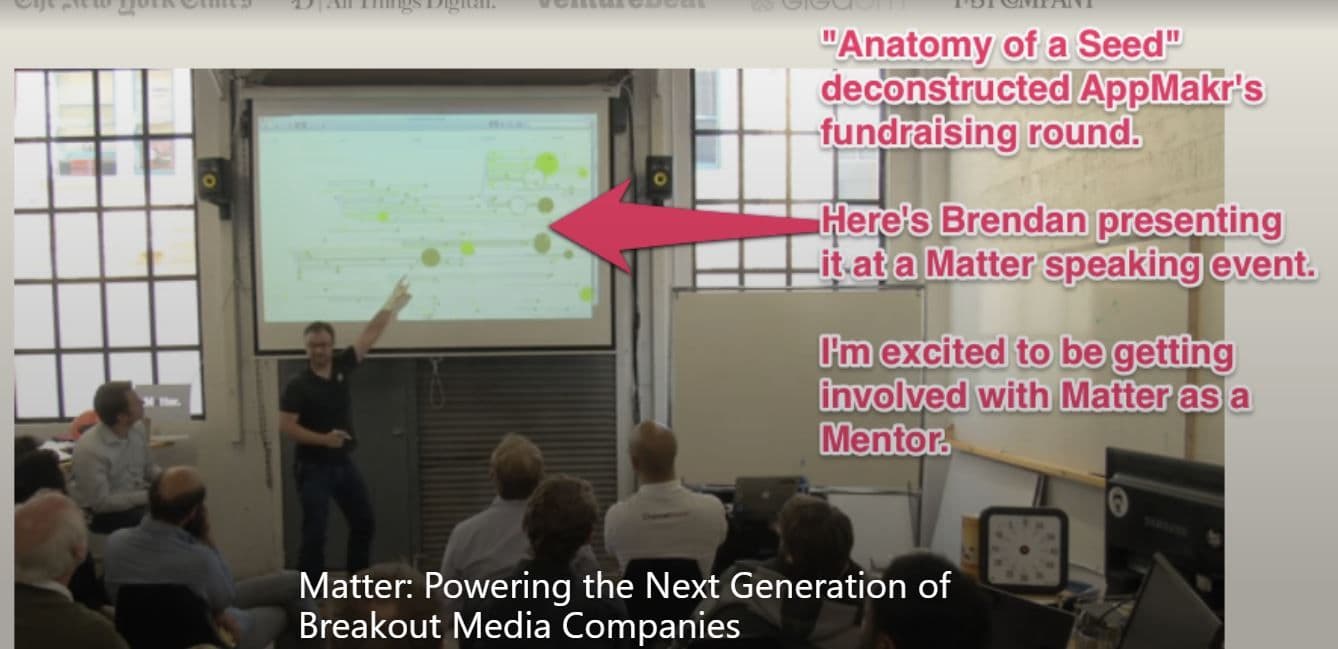
Matter: Powering the Next Generation of Breakout Media Companies

You've probably tried building solo and hit walls you couldn't explain—this reveals the structured support systems (accelerators, async mentorship) that help media founders avoid the fundraising and focus mistakes that kill most startups. The founder here sold two companies and breaks down exactly how he got unstuck when spreading too thin.

Illustration for Tile is Lojack for Anything

Tile is Lojack for Anything

You've heard about hardware startups and IoT but haven't seen a dead-simple use case that actually makes money—Tile is that use case. This post breaks down how one startup unlocked location data for everyday objects and turned it into a product people pre-order, giving you a concrete model for thinking about data + mobile. It's a quick read that'll save you from over-engineering your next side project.

Illustration for There are 2 types of mobile engagement: Inherent vs. Enhancement. The CMO of Home Depot has it nailed.

There are 2 types of mobile engagement: Inherent vs. Enhancement. The CMO of Home Depot has it nailed.

You've probably built features users ignore, and this article explains why: you're missing the difference between Inherent engagement (core value, like Home Depot's bolt-sizer) and Enhancement engagement (social overlays, gamification). Understanding this distinction will save you from building yet another abandoned app.

Illustration for The Hotel California of cancellations: Audible tries everything to keep me

The Hotel California of cancellations: Audible tries everything to keep me

You've probably built a cancellation flow without thinking twice about retention hooks, and this breakdown shows you exactly what you missed—multiple friction points, strategic offers, and buried buttons that actually work. You'll walk away with concrete tactics you can adapt (or avoid) in your own products.

Illustration for Anticipating The Future When It's On An Exponential Curve

Anticipating The Future When It's On An Exponential Curve

You've probably assumed you have 3-5 years to adapt to new tech, but this shows how newspapers lost $43 billion in ad revenue in just 11 years after 50 years of growth. You'll learn why your mental model of 'gradual change' is the exact trap that kills billion-dollar companies, with specific frameworks for recognizing exponential curves before you're disrupted.

Illustration for Moving from Wordpress to SETT

Moving from Wordpress to SETT

You've wrestled with WordPress plugins trying to make your blog feel less like shouting into the void, but it still feels clunky and one-way. This walks you through why even a power user abandoned WordPress for a platform that nails community interaction—before it even had social sharing buttons—and what you're missing about 'social' if you think it's just share counts.

Illustration for From Kickstarter to Major Toy Deal: The Story of the Hugalopes

From Kickstarter to Major Toy Deal: The Story of the Hugalopes

You've probably thought about crowdfunding but weren't sure if it's worth the effort or how to avoid flopping—Jazz shows how he used Kickstarter not just for cash but as proof of concept that landed him a licensing deal with Jakks Pacific. Learn the tier strategy and publicity tactics that tripled his goal and opened doors you can't cold-email your way into.

Illustration for SDK Adoption: Doubled Our Conversion Click Rates

SDK Adoption: Doubled Our Conversion Click Rates

You've probably been throwing marketing effort at the wrong audience—this shows why defining your actual adoption goals first (like targeting apps with 500K+ downloads vs. hackathon hobbyists) changes everything you do. The hand-drawn banner trick that tripled clicks is nice, but the real lesson is about not wasting budget on vanity metrics that don't move your needle.

Illustration for LavaCon Panel & Presentation: Conference on Digital Media and Content Strategies

LavaCon Panel & Presentation: Conference on Digital Media and Content Strategies

You think social media is just posting and mobile is just shrinking screens, but this conference reveals the real challenge: separating content from format so it survives constant platform churn. Content strategists are already solving the problem you keep hitting—building once, deploying everywhere.

Illustration for Eating your own dogfood: Google vs. Amazon

Eating your own dogfood: Google vs. Amazon

You've probably built quick internal hacks that later became impossible to scale or reuse. This explains why Amazon institutionalized 'eating your own dogfood' — building everything as a public platform from day one — and how that discipline saves you from the refactor hell you keep hitting.

Illustration for A Hot Second with Dennis Crowley + Girls In Tech Interivew with Liz of AllThingsD

A Hot Second with Dennis Crowley + Girls In Tech Interivew with Liz of AllThingsD

You think you know how to build a product, but Dennis Crowley's talk reveals why hyper-focus beats feature creep—Foursquare hit 8.5MM users by resisting the urge to be everything, even when competing with Facebook. His entrepreneur tips might save you from the classic mistake of diluting your core idea.

Illustration for Groupon, Foursquare, Ngmoco & others speak at SecondMarket Mobile Disruption Event

Groupon, Foursquare, Ngmoco & others speak at SecondMarket Mobile Disruption Event

You've probably heard mobile is 'the future' but this panel shows you which bets are paying off today — in-app purchases, tablets in enterprise, cost-per-install economics — and which tech (like HTML5) isn't ready yet. Stop guessing at trends and hear from execs who've already made (and recovered from) the expensive mistakes.

Illustration for Anatomy of a Seed: Daniel's top tips from our $1MM seed round

Anatomy of a Seed: Daniel's top tips from our $1MM seed round

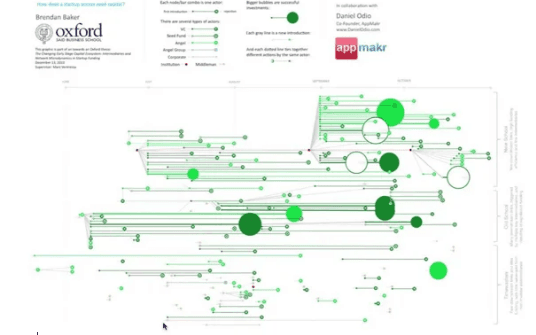
You think you know how to raise money, but this breakdown shows why your summer raise is doomed and why iterating your pitch mid-raise kills momentum. The infographic reveals which intro sources actually convert and the interview walks through the costly mistakes that stretched this raise longer than it needed to be.

Illustration for FounderConference: Adeo Ressi, Drew Houston, Dave McClure give tips;

FounderConference: Adeo Ressi, Drew Houston, Dave McClure give tips;

You think you know growth tactics, but Drew Houston reveals how AdWords and standard marketing mostly failed at Dropbox—while Dave McClure warns that 90% of founders like you will fail by ignoring his AARRR metrics framework. Watch these to catch the gaps between what you think works and what actually drives traction.

Illustration for AppMakr turns Ning Communities into iPhone Apps

AppMakr turns Ning Communities into iPhone Apps

You've probably tried to build an app integration and gotten stuck in API authentication hell—here's how AppMakr wrapped Ning's API into a $25/month DIY product that handles two-way sync (read and write) without you debugging OAuth flows. The lesson: sometimes the real build is knowing which tools to glue together, not reinventing the wheel.

Illustration for Mark Cuban plus PointAbout Named Top 100 Private Companies by OnMedia

Mark Cuban plus PointAbout Named Top 100 Private Companies by OnMedia

You think you need VC money to be taken seriously, but PointAbout made the Top 100 list at 18 months with zero funding while competitors averaged $14MM raised. Cuban's keynote gives you a specific play — keep content away from aggregators and monetize directly — that you can test without burning cash or overthinking it.

Illustration for APPNATION event in San Francisco (SF Mayor, Flipboard, Sequoia & others)

APPNATION event in San Francisco (SF Mayor, Flipboard, Sequoia & others)

You're probably building apps without understanding why big companies abandoned paid models for freemium — this event breakdown shows you the revenue model mistakes ESPN tested so you don't have to. The real lesson is about distribution strategy and why your brilliant app idea will fail if you can't get it in front of users.

Illustration for How we got into The Wall Street Journal (and how you can too)

How we got into The Wall Street Journal (and how you can too)

You've probably tried reaching out to press and gotten ghosted—this shows you why your pitches aren't landing and what actually works. DROdio got WSJ coverage twice in one day using a repeatable system that turns 1 in 10 cold emails into published articles, and he walks through the exact approach that keeps you from wasting time on pitches that go nowhere.

Illustration for How to Price Software

How to Price Software

You've probably slapped a price on something without thinking it through, then wondered why nobody bought it or why you left money on the table. This shows you the framework real companies use to avoid guessing—and saves you from the classic mistake of picking a model that sounds good but doesn't fit your product.

Illustration for Social Media Outlook by Potomac Tech Wire

Social Media Outlook by Potomac Tech Wire

You think you know social media because you've run some campaigns, but this panel reveals how executives at Ogilvy, LivingSocial, and other major firms actually think about ROI and strategy — the gaps between what you're doing and what gets funded. The transcript captures the real questions that expose whether you're building something sustainable or just chasing metrics.

Illustration for LBS = As Big As Google

LBS = As Big As Google

You've heard about location-based search for years and written it off as vaporware, but the numbers show it's finally happening — and if you ignore it now, you'll miss the shift that venture capital is betting billions on. This breaks down why GPS-enabled phones are about to make Google-style search look quaint.

Illustration for Introducing Maptimizer.com

Introducing Maptimizer.com

You'll watch someone take a complex optimization problem (weighted employee locations, traffic, amenities) and package it as a SaaS product with a patent filing and a licensing model — the kind of real-world productization you skip when you're just hacking demos together. This is what happens after the code works.